In 30 Seconds
- Rahul Gandhi's attack on pulse prices has drawn a sharp rebuttal from the finance minister, and the mandi and retail figures behind the dispute point to a wider question about who captures the margin.
- Rahul Gandhi's 'Arhar Modi' remark, a play on the Hindi word for the pigeon pea and the prime minister's name, has become the latest flashpoint in the argument over food inflation.
- The dispute is easy to reduce to a slogan, but the underlying numbers deserve a closer look.
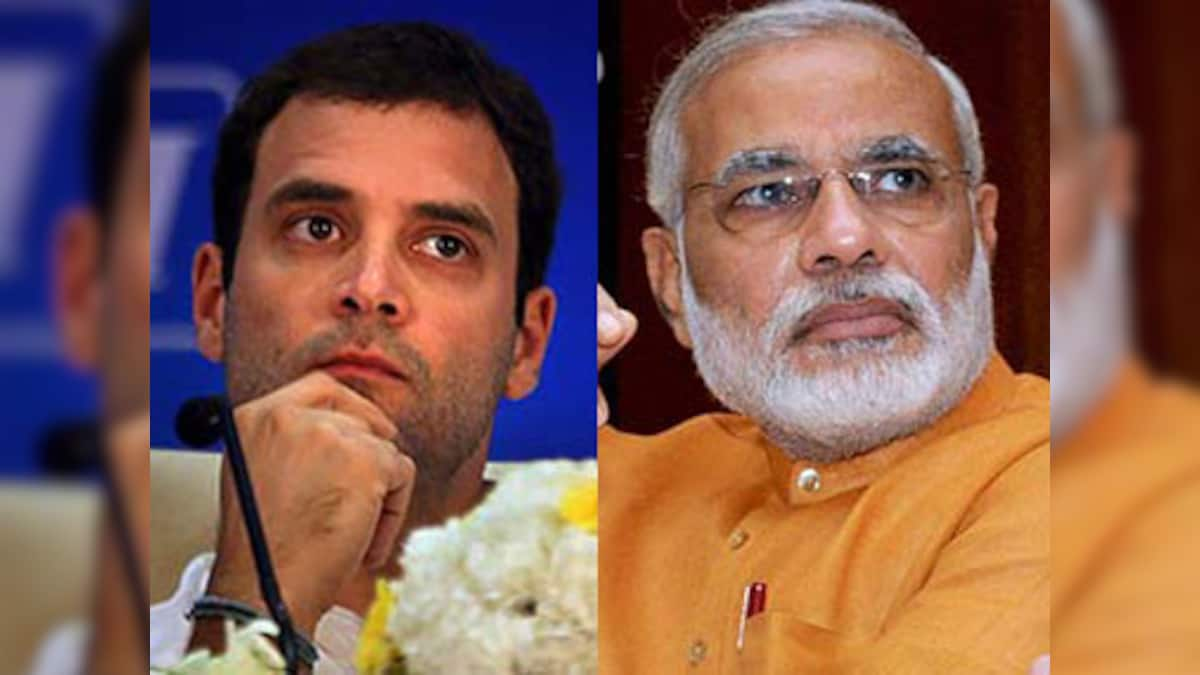
Rahul Gandhi's 'Arhar Modi' remark, a play on the Hindi word for the pigeon pea and the prime minister's name, has become the latest flashpoint in the argument over food inflation. Gandhi used it to link the government to rising prices of tur dal and other pulses, which are a staple source of protein for many low-income households. Finance minister Arun Jaitley responded that the National Democratic Alliance had inherited high inflation and had brought it under control. Congress leader P Chidambaram rejected that account, questioning the arithmetic behind the claim and calling the statistics unreliable.
The dispute is easy to reduce to a slogan, but the underlying numbers deserve a closer look. A commentary published by Firstpost, which the government's critics have widely shared, cites wholesale data from Delhi's Najafgarh mandi showing tur dal rising from Rs 3,600 per quintal in June 2014 to Rs 7,200 per quintal in June 2016. Retail prices, according to the same account, moved from roughly Rs 70 per kg to more than Rs 175 per kg over a similar period. These are secondary readings drawn from market reports and online grocery listings, not official series, and they should be checked against the government's own price data before being treated as settled.
The more useful question is not only why the price rose, but why the gap between the mandi and the shelf widened so sharply. The same commentary estimates that the difference between wholesale and retail rates grew from about Rs 35 per kg in 2014 to around Rs 100 per kg later. Storage and transport costs do not obviously explain a jump of that size. Economists would typically point to a mix of factors: intermediary margins, hoarding during expected shortages, import timing, and the thinness of the wholesale market for pulses. Each of these can be tested with trade and price-monitoring data, and the government has the means to publish that evidence.
On the supply side, the case is more complicated. Pulse output has been vulnerable to weather, and a below-normal monsoon in the period described would have squeezed availability. The source also notes that the shortfall in production in 2014-15 was about 12 percent compared with the previous year, a figure that on its own may not account for a price rise of the scale reported. Long-running problems with pulse cultivation, including low yields and farmers' preference for crops with more reliable returns, predate the current government. Policy responses such as minimum support prices are part of that picture. The commentary points out that the MSP for tur rose only modestly, from Rs 46.25 per quintal in 2015-16 to Rs 50.50 in 2016-17, a rise critics argue was too small to encourage sowing.
Whether the episode is a fair measure of government performance depends on the timeframe and the data chosen. Both the government's defenders and its critics can select figures that support their conclusion. A reader trying to judge the claims should compare inflation series over the same base period, check wholesale and retail prices from consistent sources, and ask whether policy measures announced in the period had time to affect supply. The slogan may travel further than the spreadsheets, but the spreadsheets are where the argument will be settled. For readers who want to review the original commentary and its sources, the piece is available at Firstpost.