In 30 Seconds
- The deputy minister for digital economy says Colombo will build adaptable infrastructure, train workers in AI and draft new laws rather than try to predict the next 22 years of technology.
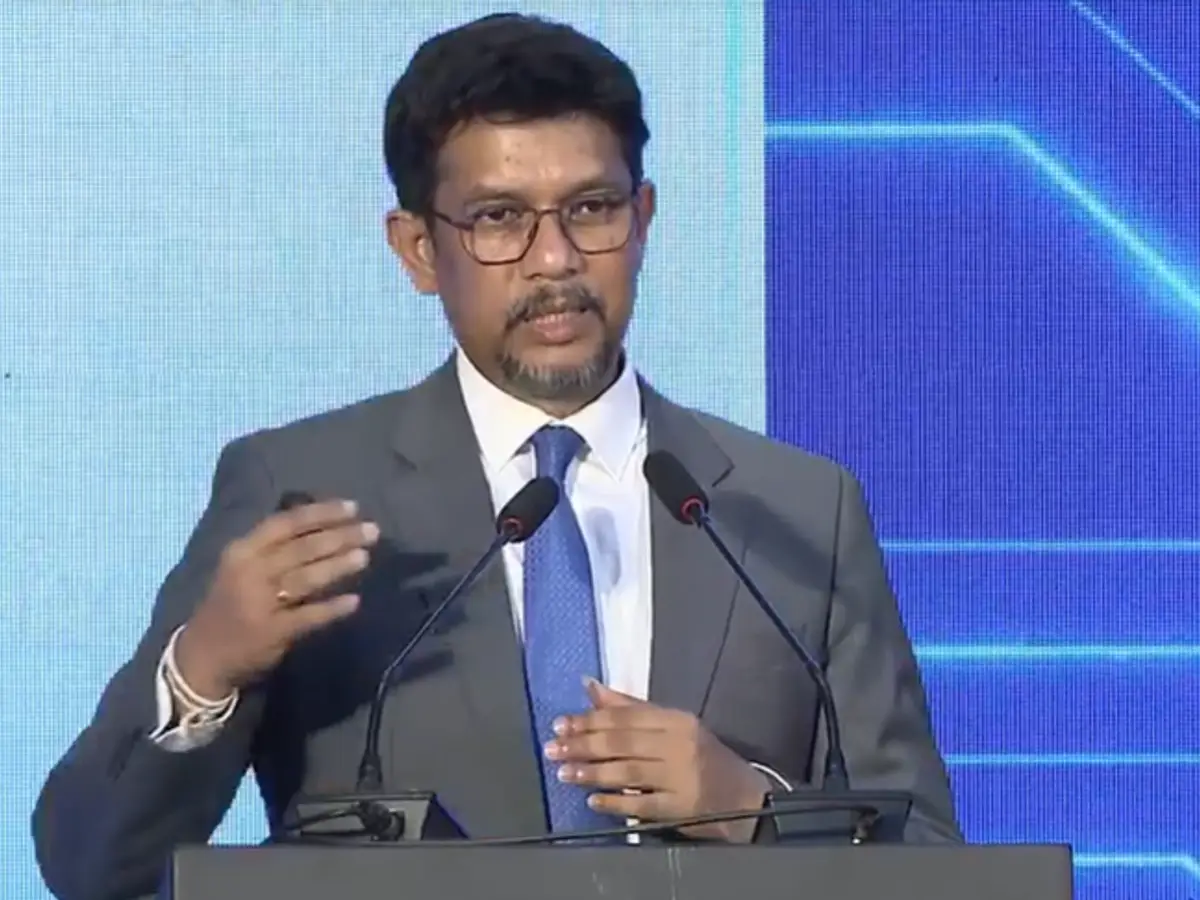
- Sri Lanka is planning an integrated, inclusive and AI-driven digital economy by 2048, Deputy Minister of Digital Economy Eranga Weeraratne said at the WION Digital Sri Lanka Summit.
- Weeraratne acknowledged that forecasting technology over 22 years is unrealistic given the pace of change.
Sri Lanka is planning an integrated, inclusive and AI-driven digital economy by 2048, Deputy Minister of Digital Economy Eranga Weeraratne said at the WION Digital Sri Lanka Summit. The target year coincides with the country's 100th year of independence, and the plan combines infrastructure, AI skills and a new legal framework.
Weeraratne acknowledged that forecasting technology over 22 years is unrealistic given the pace of change. His argument was that preparation matters more than prediction: "We cannot predict 22 years into the future, but we can prepare for it," he said, pointing to adaptable systems and long-term digital infrastructure as the answer.
He placed the roadmap against the growth of the ICT and business process management sectors. By his account, their foreign revenue in the first four months of the year reached $581 million, ahead of the $451 million earned from tea exports. He also warned that AI, including machines that can write code, could reshape the technology industry and put pressure on the country's digital workforce.
The government has set three priorities: integrated digital solutions, inclusive access and intelligent systems. The first means moving away from departmental silos toward interconnected government systems. The second covers digital access across the country, including rural areas, with support for all local languages. The third is an AI-first approach, with AI capabilities spread across professions.
On skills, Weeraratne said AI education should not be limited to engineers and technologists, since the technology is touching every sector. Plans include a national AI centre of excellence and a digital AI academy to train existing workers and help public and private organisations adopt AI in their operations.
On infrastructure, Sri Lanka is building a government technology stack of cloud infrastructure, AI capabilities, data centres and core digital public infrastructure, including digital identity, electronic signatures, credentials and trust platforms. Weeraratne said identity systems will eventually need to cover devices, software and AI agents, so that their actions can be traced back to a person or an enterprise. Sector platforms such as trade single windows, regulatory sandboxes and digital service channels are also planned, along with projects on grassroots public services and vehicle registration.
The regulatory agenda includes procurement guidelines, a Digital Economy Bill and cybersecurity legislation. Weeraratne said these would build a future-ready legal framework, support domestic industry and draw foreign investment. Several policies and bills are at different stages of development.