In 30 Seconds
- As the seven-member group tours the world after mandatory military service, their trajectory shows how a single company's artists became a national cultural export.
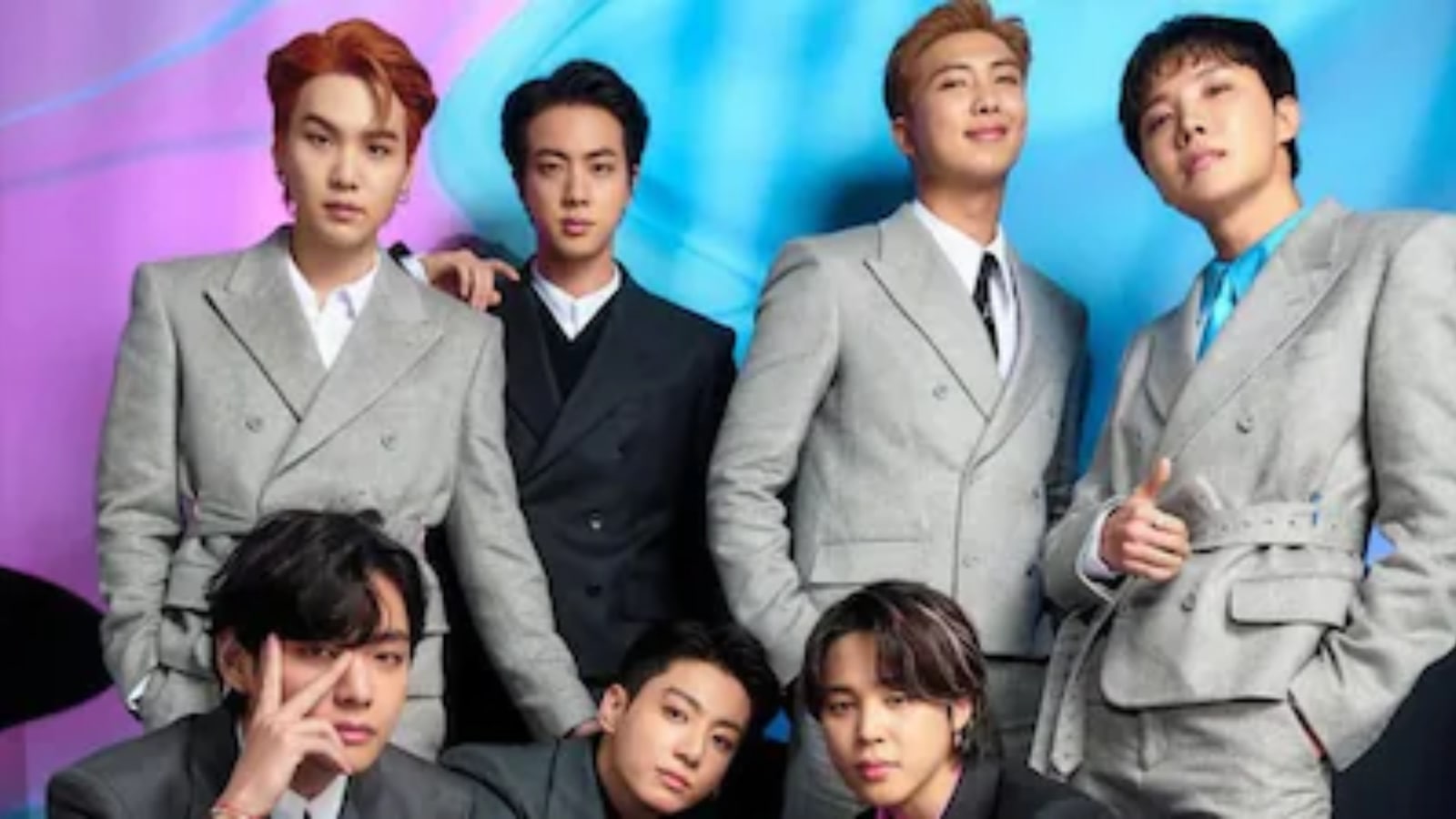
- BTS, the South Korean group made up of RM, Jin, Suga, J-Hope, Jimin, V and Jung Kook, are on an 88-show world tour as of July 2026.
- The return matters beyond fandom because of how the group got here.
BTS, the South Korean group made up of RM, Jin, Suga, J-Hope, Jimin, V and Jung Kook, are on an 88-show world tour as of July 2026. The tour follows the March release of their comeback album 'Arirang'. All seven members reunited in 2025, after completing the mandatory military service that South Korea requires of its men and that had kept the group largely in solo mode between 2022 and 2025.
The return matters beyond fandom because of how the group got here. BTS were formed by Bang Si-hyuk under BIGHIT MUSIC, then known as Big Hit Entertainment, and debuted in 2013 as a relatively unknown act. Their rise was gradual rather than instant. It ran through early releases such as 'O!RUL8,2?', 'Skool Luv Affair' and 'Dark & Wild', then through 'The Most Beautiful Moment in Life' trilogy of 2015 and 2016, which dealt with friendship, mental health and the passage into adulthood.
The commercial and symbolic milestones came after that. In 2018 'Love Yourself: Tear' became the first Korean-language album to debut at No. 1 on the US Billboard 200. 'Dynamite' (2020) made them the first all-South Korean group to top the Billboard Hot 100. Singles such as 'Butter', 'Permission to Dance' and 'Life Goes On' followed. Each of these firsts was a measurable result in a market that had long been difficult for non-English-language acts to enter, and the group is widely credited with moving K-pop from a regional phenomenon to a mainstream global one.
The hiatus is the most instructive part of the record. Instead of a pause, the military-service years became a test of whether the brand could survive without the full group. Jung Kook found global commercial success with 'Golden' and the single 'Seven'. Jimin's 'Like Crazy' became the first song by a Korean solo artist to debut at No. 1 on the Hot 100. The members also moved into fashion, luxury brand partnerships, documentaries and television. That diversification suggests an enterprise built on individual members as well as on the collective, which sits uneasily with the old idea of a band as a single product.
Several questions fall outside the available record and deserve scrutiny as the tour proceeds. The source material gives no revenue, ticketing or tourism figures, so the economic footprint of an 88-show run cannot be stated with confidence. It is also unclear how much of the group's reach is owed to their own songwriting and production, which the group is known for, and how much to the institutional machinery around them. Independent analysis of both would clarify how replicable the model is for other Korean acts.
For policymakers and industry watchers, the lesson is partly about timing and partly about content. The group built its audience on songs about youth, identity, mental health and self-acceptance, themes that travelled across languages and borders. Whether the 'Arirang' tour confirms that appeal after a three-year interruption will show how durable it is. The group's own history is summarised on the News18 BTS topic page, which served as the source for the background here.