In 30 Seconds
- A three-judge panel of the 2nd US Circuit Court of Appeals has sent the case back to a district judge to reconsider moving it out of New York state court.
- A federal appeals court has given Donald Trump another opening to challenge his New York hush-money conviction.
- The ruling reverses the course set by the late Judge Alvin Hellerstein, who repeatedly refused Trump's requests to transfer the case.
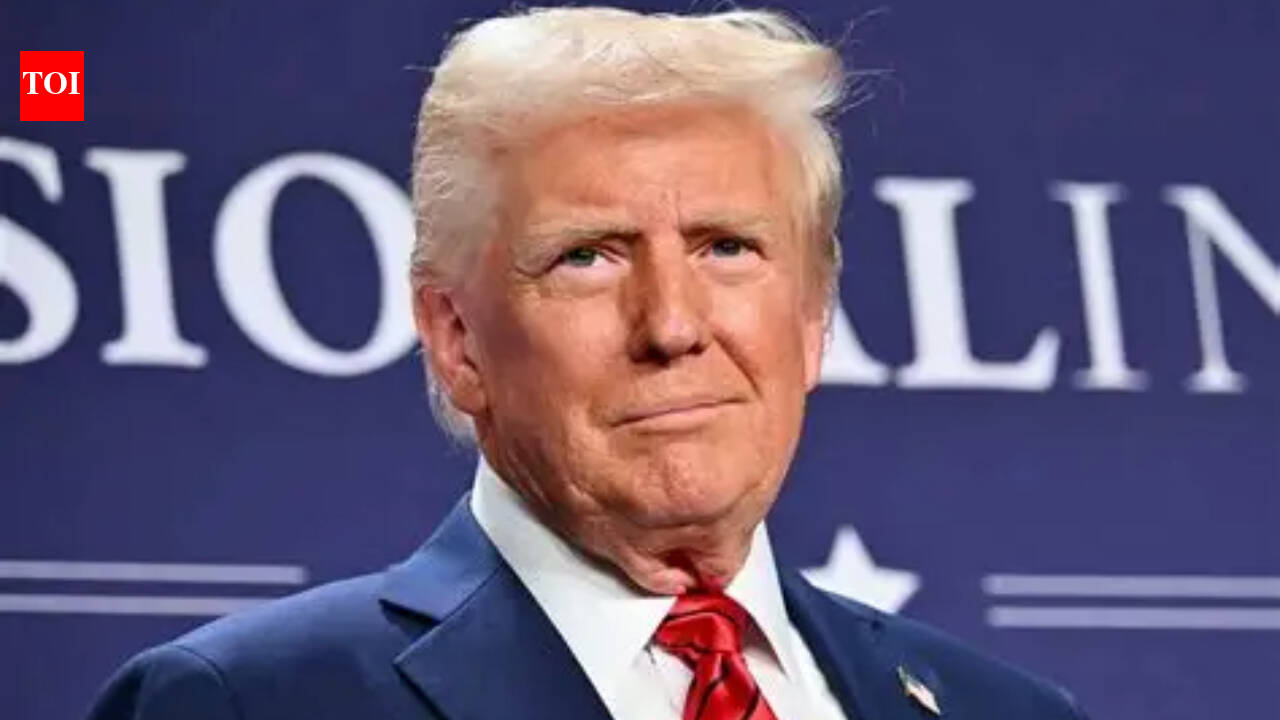
A federal appeals court has given Donald Trump another opening to challenge his New York hush-money conviction. A three-judge panel of the 2nd US Circuit Court of Appeals sent the case back to a federal district court and directed a judge to promptly reconsider his request to move the prosecution from state to federal jurisdiction.
The ruling reverses the course set by the late Judge Alvin Hellerstein, who repeatedly refused Trump's requests to transfer the case. Hellerstein, who died in October aged 92, last denied the request in August. The appeals court's order does not move the case or disturb the verdict. It gives Trump's lawyers a chance to argue that the matter belonged in federal court.
The stakes lie in what could follow. According to The Guardian, a favourable ruling at the district level could let Trump return to the appeals court and argue that the conviction should be thrown out on presidential immunity grounds.
The case stems from a $130,000 payment that Trump's former lawyer Michael Cohen made to adult-film performer Stormy Daniels before the 2016 election. Daniels alleged a sexual encounter with Trump, which he denies. Prosecutors said Trump reimbursed Cohen through payments falsely logged as legal expenses. In May 2024, a Manhattan jury convicted Trump on 34 felony counts of falsifying business records. He received no punishment in the case, and he has denied wrongdoing.
Trump's lawyers argue that prosecutors relied on evidence tied to White House activity, conversations with aides and social media posts that the Supreme Court's immunity decision should have shielded, The Independent reported. They also dispute the prosecution's treatment of the payment as an unlawful campaign finance contribution, saying parts of the case turn on federal rather than state law. Manhattan prosecutors counter that the conduct was private and violated state law. Hellerstein earlier rejected the immunity argument, finding that hushing up an episode with an adult-film performer was not an official presidential act.
The decision also complicates Trump's parallel appeal in the New York state courts. AP News reported that the Appellate Division heard arguments earlier in November and has yet to rule. After the federal order, Trump's lawyers asked the state court to pause proceedings while the jurisdiction question is settled.