In 30 Seconds
- Critics say Gill's team selections and tactical calls in the series have fallen short of what his captaincy record and reputation demand.
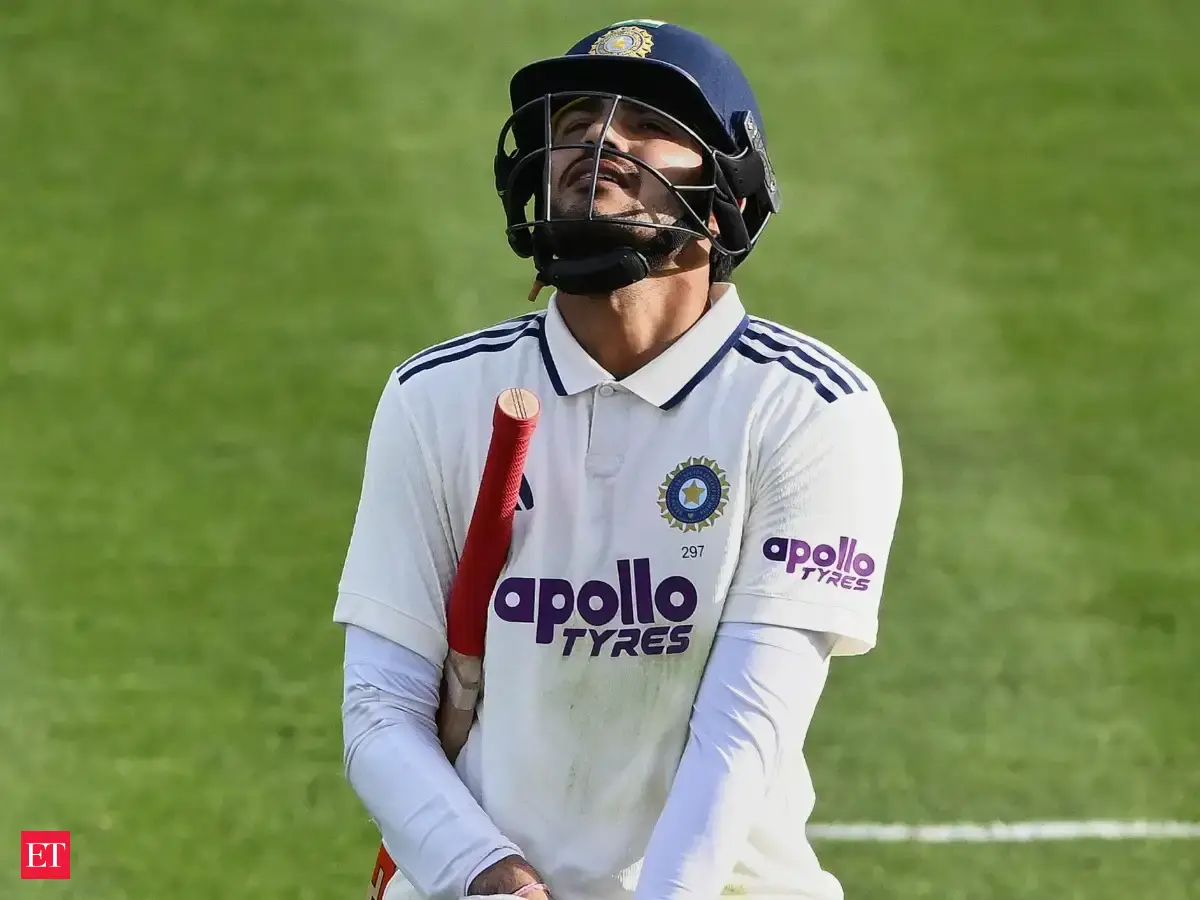
- Shubman Gill's leadership of the Indian Test side is facing sharp criticism after a drawn match against New Zealand, with commentators arguing that his early period as captain should now give way to firmer decision-making.
- The central complaint concerns the bowling attack.
Shubman Gill's leadership of the Indian Test side is facing sharp criticism after a drawn match against New Zealand, with commentators arguing that his early period as captain should now give way to firmer decision-making. Following the first Test, in which India's efforts produced only a draw, Gill attributed the stalemate to a Kookaburra ball that softened quickly and a pitch that offered little to bowlers. Analysts have acknowledged those conditions but argue that the captain's selections did little to counter them.
The central complaint concerns the bowling attack. Anshul Kamboj, selected as the fourth seamer, is described as a bowler whose swing and seam are most effective on helpful surfaces, and whose pace limits his threat on a flat deck. Critics contend that Mohammed Siraj or Gurnoor Brar would have offered more on a pitch that was expected to ease. Gill's decision to pick Washington Sundar over Ravindra Jadeja, a move reportedly influenced by New Zealand's left-handed top order, has also drawn questions, particularly given Sundar's standing at Test level as a batter who bowls spin rather than a specialist spinner.
Further concerns relate to tactical timing. India were 486 for 4 with a lead of 118 when Kamboj was sent in as nightwatchman, a choice critics say signalled caution at a moment that called for pressure. The later declaration at 720 for 9, which left a target of roughly 150 to 200 runs, was defended by some as a legitimate way to seek a result but was judged by others to have offered the opposition a route back and limited the bowlers' openings.
Gill's Test record as captain since May 2025 stands at six wins, three draws and three losses across 12 matches, with half of the victories coming against West Indies and Afghanistan at home. Commentators note that this is a respectable start but argue that a captain selected with little public debate is expected to deliver more than adequate results. Gautam Gambhir's strong influence as coach has also been noted, with the view that in a captain-coach partnership the accountability for results ultimately rests with the captain.
The debate matters beyond a single drawn Test because it goes to how Indian cricket's leadership is judged during a transitional phase for the side. Whether Gill asserts his own judgement on selection and field-setting in the matches that follow will shape both his standing and the direction of the team. Full commentary on the series is available at the original analysis.