In 30 Seconds
- The US-based firm is promoting a passenger-fee-funded plan that would bring facial recognition and data screening to 11 airports, a seaport and six land crossings, while Manila weighs the deal.
- Securiport used the ASEAN Business and Investment Summit in Manila on November 14 and 15 to press its case for a large biometric verification and passenger data project in the Philippines.
- Securiport submitted the plan to the national government in 2023.
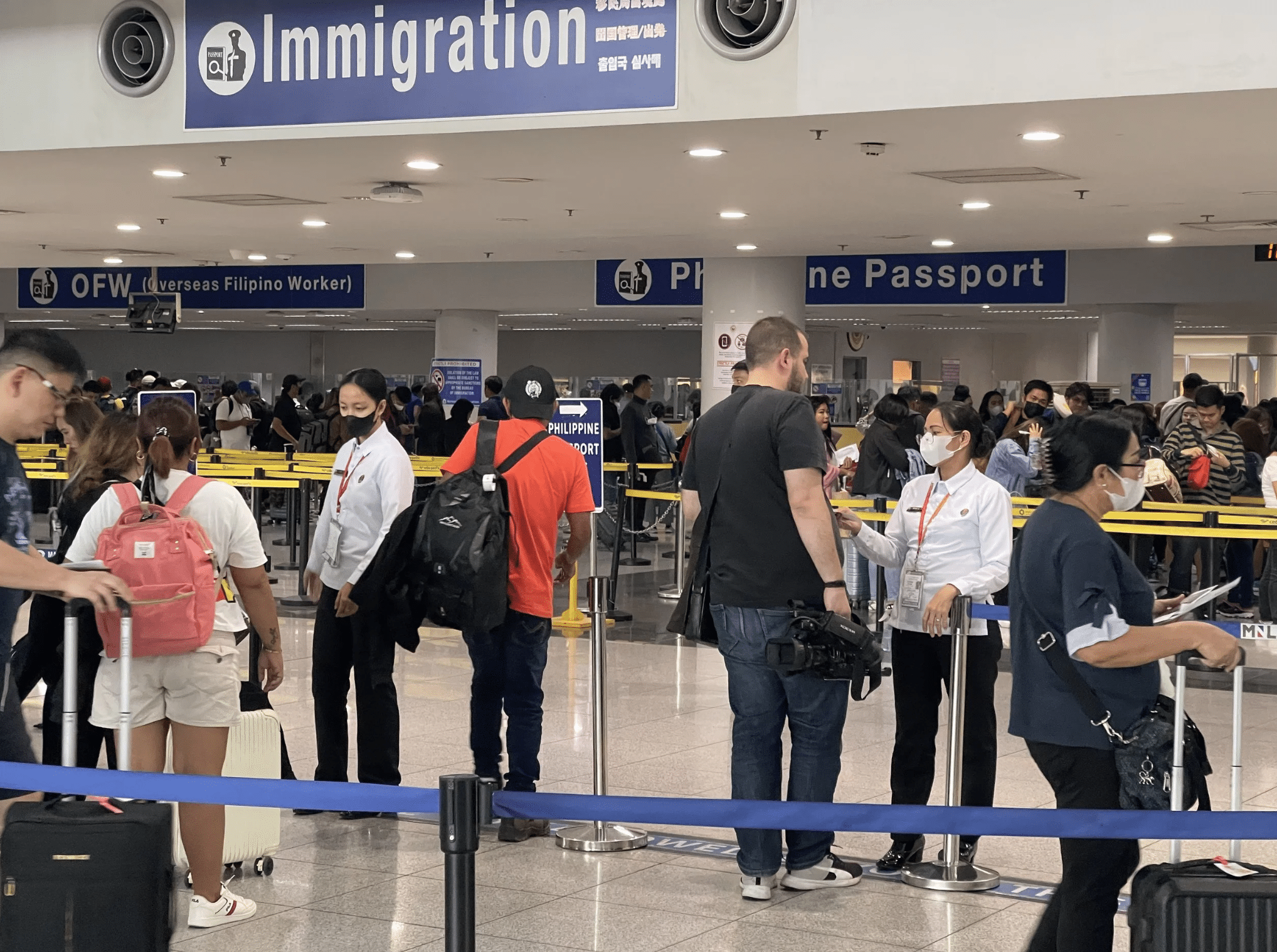
Securiport used the ASEAN Business and Investment Summit in Manila on November 14 and 15 to press its case for a large biometric verification and passenger data project in the Philippines. The proposal, valued at about ₱10.74 billion (roughly $171 million), would install the company's Civil Aviation and Immigration Security Services, known as CAISS, at 11 international airports and a major seaport.
Securiport submitted the plan to the national government in 2023. It has been cleared to move forward through the public-private partnership procurement process, but no final award has been made. Under the scope described by the company, the Zamboanga international seaport and six border crossing stations would also receive biometric systems. The package includes contactless facial recognition e-gates, self-service kiosks, criminal record search tools, advance passenger information systems aligned with ICAO standards, and fraud detection. Securiport says its passenger data system has already been deployed in Argentina, Chile and Paraguay.
The Bureau of Immigration has spoken favorably about the plan's potential, though it has stressed that no agreement exists yet. In October, Securiport's chief technology officer said the proposal would connect with the e-gate expansion the bureau is already carrying out. Civil Aeronautics Board figures cited by the company show passenger volumes at Philippine airports rose 4 percent between 2024 and 2025, with nearly half of those travelers flying internationally.
The central pitch is that biometrics and analytics can raise processing capacity without large up-front public spending. Securiport's chief operating officer pointed to face-biometric gains at San Ysidro, the busy land crossing between Tijuana and San Diego, and at Terminal One at JFK as examples. The company argues that advance passenger data gives officers more time to check travelers against watchlists, and it says its system clears travelers in under 45 seconds and leaves ownership of passenger data with the government.
The financing model is what draws the most scrutiny. Rather than public capital, the Philippine project would be paid for through passenger fees. The Bureau of Immigration says a proposed $4 charge on each international arrival and departure is still under review, and the Philippine Chamber of Commerce and Industry has asked for closer examination of costs and financing terms. Securiport says the same approach underpins its work elsewhere in Asia, including a proposed $2.4 billion, 25-year plan in Pakistan that would be recovered through a passenger security surcharge. For Manila, the choice is whether faster, more secure borders are worth a new traveler charge, and whether the terms will hold up under public review.