In 30 Seconds
- The Border Roads Organisation says its post-Yatra works follow safety and environmental norms, as activists, clerics and politicians question the impact on a fragile glacial zone.
- The Border Roads Organisation (BRO) on Monday defended its track-widening work along the Amarnath Yatra route near Sheshnag Lake in Kashmir, saying the post-Yatra works comply with applicable safety norms and environmental safeguards.
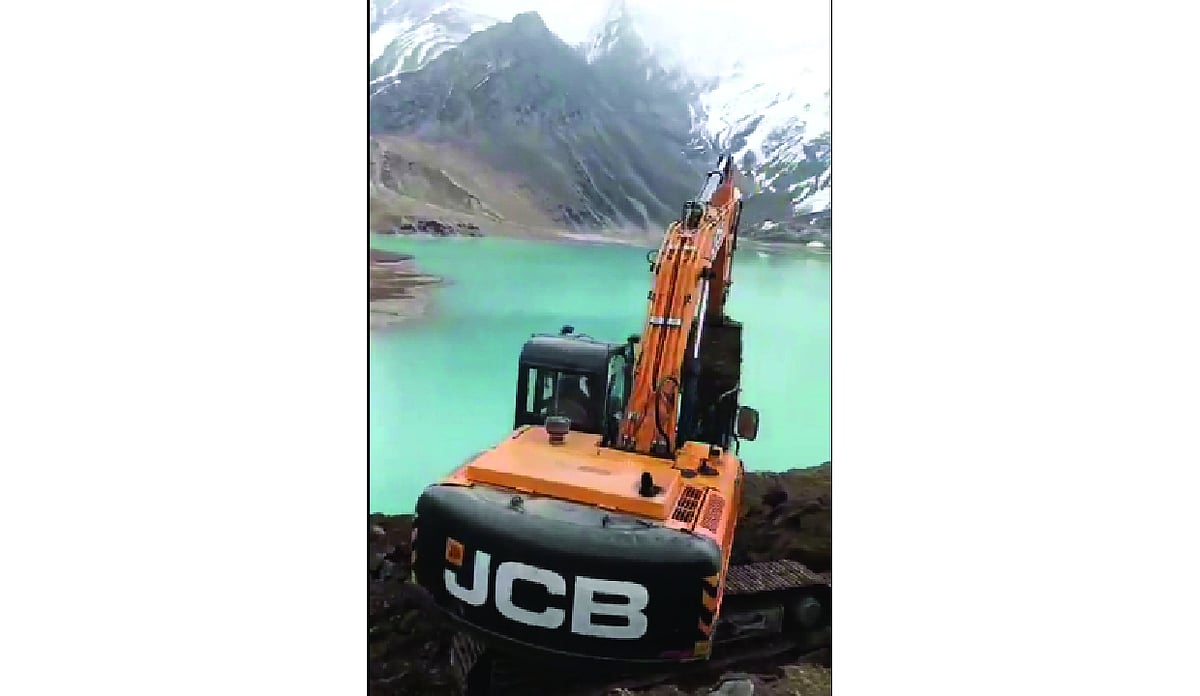
- The controversy began on Sunday, when several Kashmir-based social media accounts circulated video clips of heavy machinery working near the lake in the Pahalgam glacial zone.
The Border Roads Organisation (BRO) on Monday defended its track-widening work along the Amarnath Yatra route near Sheshnag Lake in Kashmir, saying the post-Yatra works comply with applicable safety norms and environmental safeguards. The clarification followed a social media campaign by activists and political and religious figures who alleged damage to the ecologically sensitive area.
The controversy began on Sunday, when several Kashmir-based social media accounts circulated video clips of heavy machinery working near the lake in the Pahalgam glacial zone. According to the source report, the original footage was posted by an excavator working at the site. Climate activist Dr Raza Muzaffar Bhat asked how such heavy machines had reached the glacier area.
Mirwaiz Umar Farooq, Kashmir's chief cleric, called the visuals disturbing. He noted that glaciers are already retreating and pointed to recent glacier-related floods in Nepal. He said Kashmir welcomes Amarnath pilgrims and supports better facilities for them, but not at the cost of the fragile ecosystem.
Congress MP Pawan Khera said Sheshnag is among 14 high-risk glacial lakes identified in Jammu and Kashmir and is sacred to both Hindus and Muslims. He urged Environment Minister Bhupender Yadav to intervene and demanded that the BRO disclose environmental clearances, commission an independent assessment by glaciologists and explain who authorised the work. PDP spokesperson Mohit Bhan said faith and ecology are not competing interests and both need protection.
In its response, the BRO said it ensures safe disposal of excavated material, protects natural drainage and keeps disturbance to surrounding terrain to a minimum. It described the claims in the circulating video about new works as incorrect. It said that, based on experience from earlier Yatras and the need for a wider road, it has begun widening tracks, focusing on stabilising vulnerable stretches.
The episode highlights a recurring question in the Himalayas: how to improve pilgrim safety and access without compromising high-altitude ecosystems. Whether the demands for published clearances and an independent expert review are met is likely to shape how the debate unfolds before the next Yatra.