In 30 Seconds
- A new plant promises to end years of passport delays by moving production of the chip-enabled booklets from Malaysia to home soil.
- Nigeria has broken ground on a $70 million factory in Abuja that will make the country's electronic passports at home.
- For anyone who has waited months for a passport, the pitch is simple: make the booklets locally and stop depending on shipments from abroad.
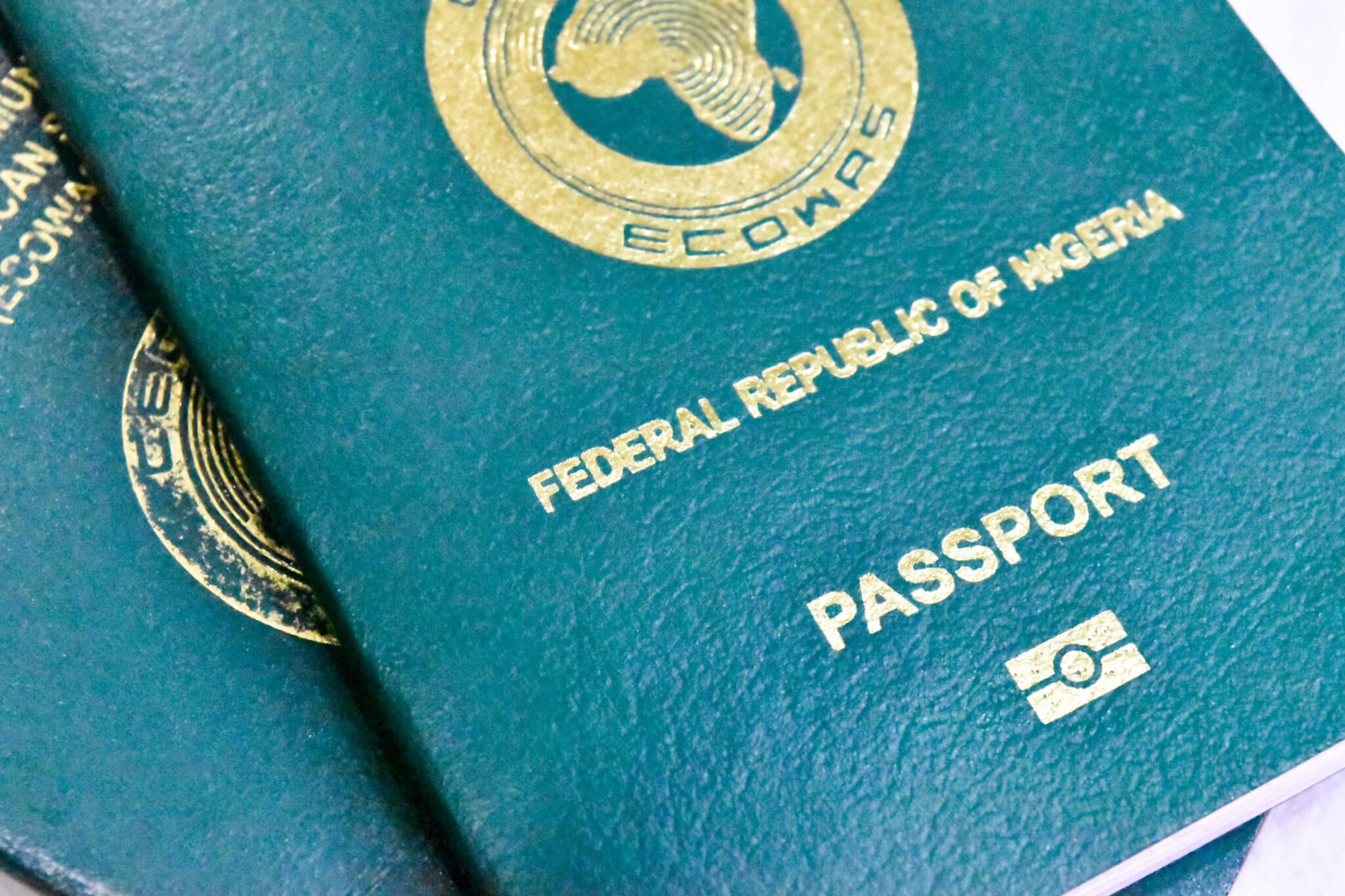
Nigeria has broken ground on a $70 million factory in Abuja that will make the country's electronic passports at home. The National Passport Booklet Manufacturing Centre is due to open in May 2027, according to reports citing The Daily Times.
For anyone who has waited months for a passport, the pitch is simple: make the booklets locally and stop depending on shipments from abroad. Until now, the chip-embedded booklets have been produced in Malaysia, a setup that fed earlier backlogs and delays. A parliamentary committee investigated those problems.
The plant is being built with Abuja-based Iris Smart Technologies. Interior Minister Olubunmi Tunji-Ojo says it has no direct government funding. He also claims it will make Nigeria the first West African country to produce e-passports domestically. That is his claim, and the source does not independently verify it.
The numbers are striking. Officials say the factory will start with capacity for six million booklets a year and grow to 10 million. Nigeria's own annual demand is estimated at 800,000 to 2 million, so the plant would have a large surplus on paper.
Nigeria Immigration Service Comptroller-General Kemi Nandap framed it as a security issue. Passport booklets are sensitive documents, she said, and making them in a secured national environment strengthens oversight while keeping the international standards a credible passport requires.
Tunji-Ojo calls the factory the last piece of a reform push. Earlier steps included clearing the backlog and setting up a data center and a passport personalization center. Iris Smart also built the NIS Contactless Biometrics App, launched in 2024 with partner Newworks.
The real test comes after the ribbon-cutting: whether applicants see faster turnaround. Read the original report at Biometric Update.