In 30 Seconds
- The CRED founder's social media post compares sequential and parallel thinking, and suggests the education system may be overlooking a style that could soon matter more.
- CRED founder Kunal Shah has sparked a conversation about how people think, and whether schools reward the right kind of mind.
- Shah described the education system as rewarding what he called "CPU-like minds," meaning people who work through problems one step at a time and focus on one task before moving to the next.
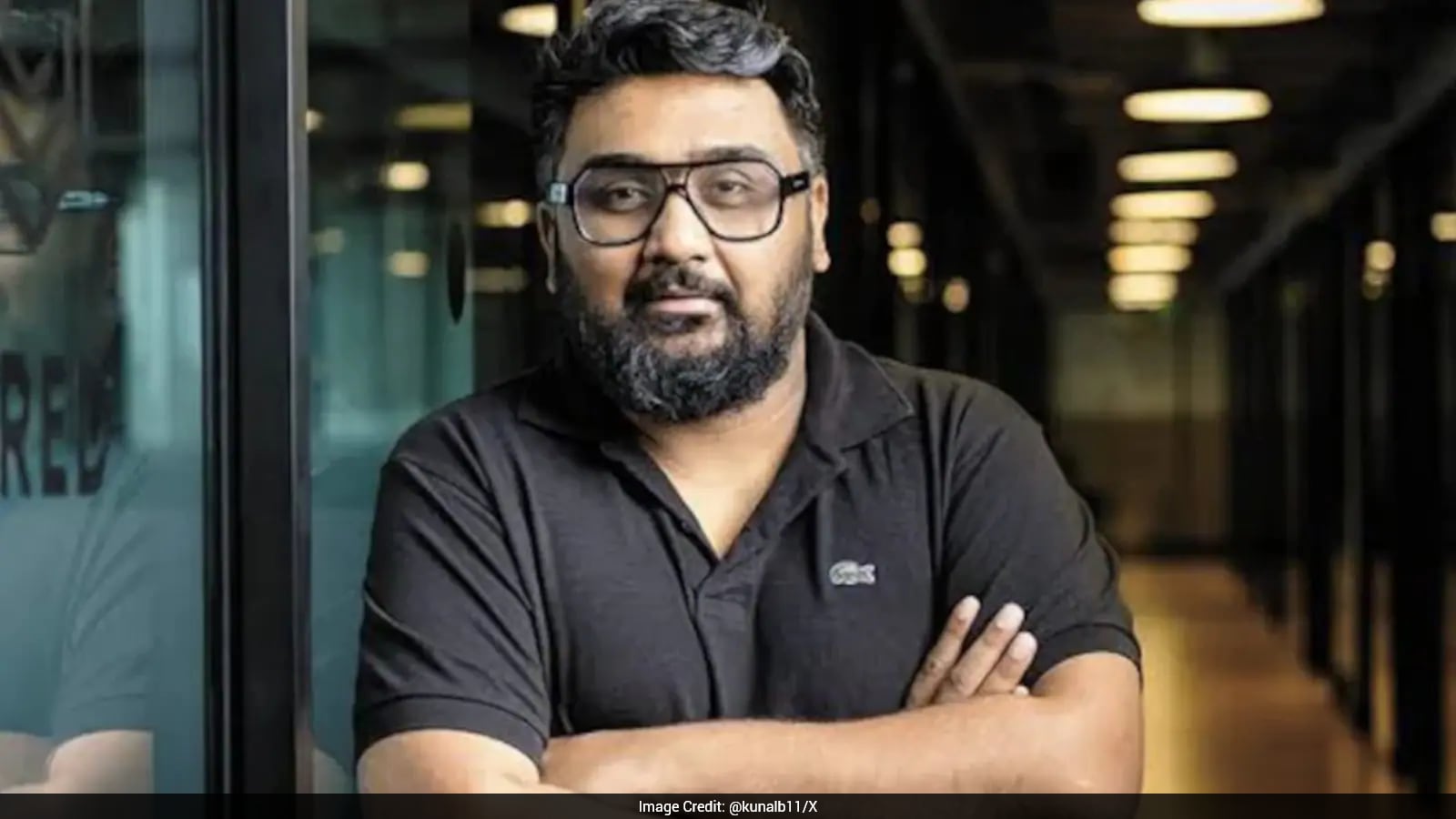
CRED founder Kunal Shah has sparked a conversation about how people think, and whether schools reward the right kind of mind. In a social media post, he compared the human brain to computer processors and argued that the future may favour a style of thinking the education system often overlooks.
Shah described the education system as rewarding what he called "CPU-like minds," meaning people who work through problems one step at a time and focus on one task before moving to the next. He contrasted this with "GPU-like minds," a reference to a style of thinking that handles many things at once, which he suggested could become more valuable as technology changes how work gets done.
The analogy is simple, and that is part of its appeal. A CPU handles tasks in sequence with great precision, while a GPU processes many operations at the same time. Shah's point is that the modern workplace and the problems it throws up may increasingly call for the second kind of approach.
He also tied the idea to Attention Deficit Hyperactivity Disorder (ADHD), writing, "ADHD might finally have found its product-market fit." The line is a playful one, but it draws attention to people whose brains often work in bursts, jump between ideas, and struggle with rigid routines, traits that classrooms and offices have not always valued.
Reactions on social media were mixed but engaged. One user called the perspective interesting. Another said the post made them feel they could finally fit in. A third argued that different thinking styles need different environments to thrive, a point that gets to the heart of Shah's argument.
It is worth noting that Shah's post is an opinion rather than a research finding, and ADHD is a medical condition that calls for proper diagnosis and support, not a marketing angle. Still, the question he raises is a useful one for parents, teachers and employers: if the future rewards people who can juggle many threads at once, are we measuring the right skills today? For more, read the original report on NDTV.