In 30 Seconds
- A letter to Union Petroleum Minister Hardeep Singh Puri cites state laboratory tests that found uneven ethanol content, and a former minister has contested the findings.
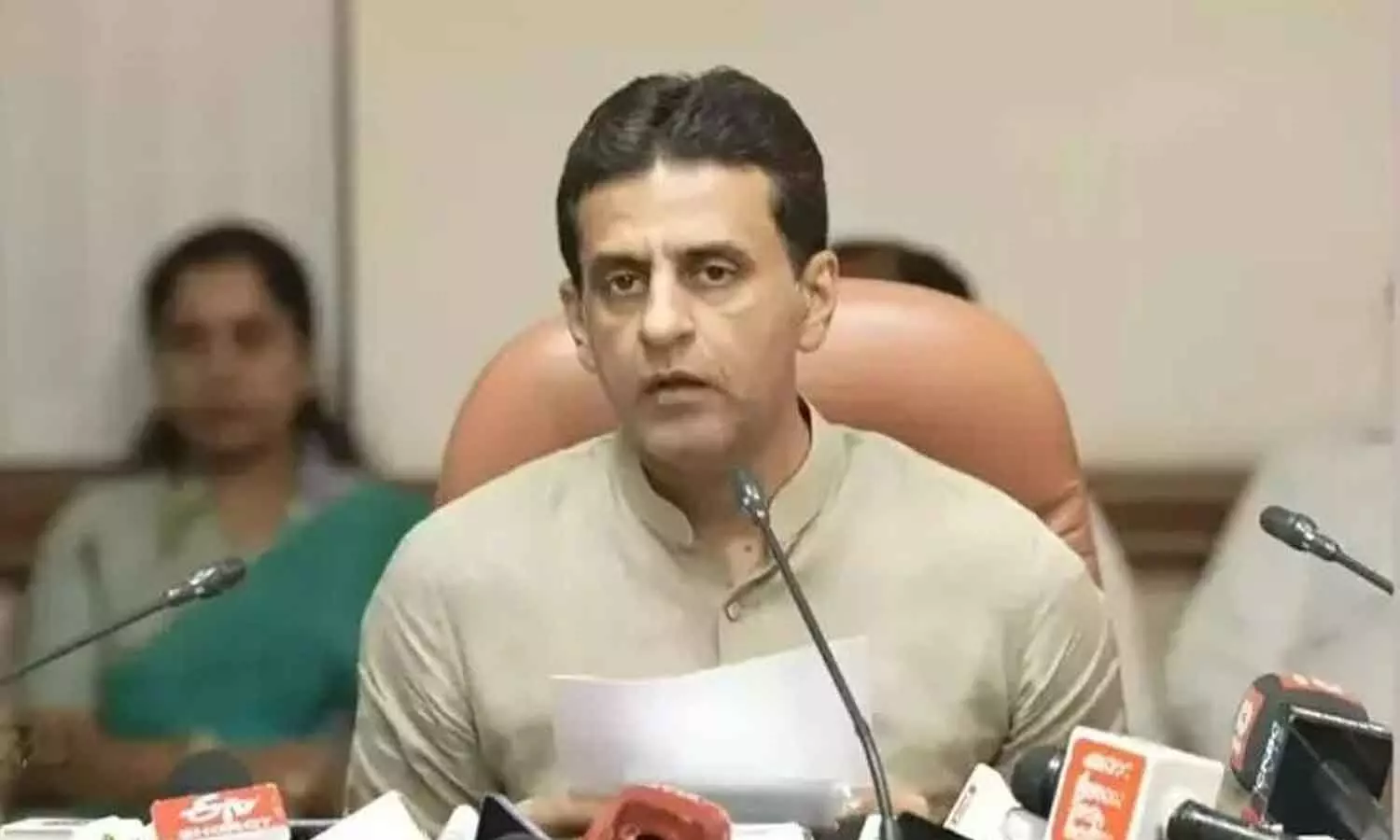
- Karnataka minister Rizwan Arshad has written to Union Petroleum Minister Hardeep Singh Puri, alleging that ethanol blending in petrol is excessive and inconsistent, and linking it to complaints of vehicle damage and lower mileage.
- The concerns rest on tests ordered by the state.
Karnataka minister Rizwan Arshad has written to Union Petroleum Minister Hardeep Singh Puri, alleging that ethanol blending in petrol is excessive and inconsistent, and linking it to complaints of vehicle damage and lower mileage. He said the state supports the blending programme in principle but disputes how it is being carried out at fuel stations.
The concerns rest on tests ordered by the state. Petrol samples were collected from pumps in September and sent to laboratories accredited by the National Accreditation Board for Testing and Calibration Laboratories. Of 14 samples, 11 reportedly showed ethanol above 20 per cent, with readings between 13.5 per cent and 31.2 per cent. The spread, the state argues, points to a lack of uniformity.
Mr Arshad also objected to a central notification that lengthens the inspection interval for petrol dispensing units from 12 months to 24 months. He asked that pumps display the ethanol content of the fuel and print the percentage on customer bills, and he proposed a dedicated compensation fund for motorists whose vehicles are damaged by ethanol-blended petrol.
Separately, the state said it found discrepancies in 90 per cent of the dispensing nozzles it inspected, alleging that customers received less fuel than the quantity shown on the meter. That claim concerns measurement accuracy rather than blending, but it adds to the state's case for tighter oversight.
Former Karnataka minister Murugesh Nirani rejected the criticism, accusing Mr Arshad of spreading misinformation. He said ethanol production did not begin under the BJP government and credited the Mysuru Maharajas with pioneering it. He put the number of ethanol units in the country at around 500 and annual blending at 1,200 crore litres.
Mr Nirani also questioned the state's methodology, asking where the samples were drawn and which officials were present. He urged the minister to form a committee to examine the matter instead of making public allegations.
The dispute matters because ethanol blending is a central policy for reducing fuel imports, and consumer confidence depends on transparent labelling and reliable testing. The sample size is small, and the Centre has not yet responded in the material available, so the findings remain contested. Disclosure at the pump and regular inspection are the practical points on which the state and Centre may now have to engage.