In 30 Seconds
- A 46-year-old Bengaluru resident kept paying 'customs charges' on a parcel that never existed, and her son and two friends ended up sending money too.
- A 46-year-old woman from Kaval Byrasandra in Bengaluru has lost just under Rs 8 lakh to fraudsters who promised her a gift parcel from London.
- The complainant, identified as Swathi (name changed), told police the trouble began on Oct 27.
A 46-year-old woman from Kaval Byrasandra in Bengaluru has lost just under Rs 8 lakh to fraudsters who promised her a gift parcel from London. East cybercrime police have registered a case after she filed a complaint.
The complainant, identified as Swathi (name changed), told police the trouble began on Oct 27. She clicked on an Instagram advertisement and was sent to WhatsApp. There, a man using a Pakistani mobile number befriended her. He said he worked in London, talked of visiting India to meet her, and then claimed he had sent her a gift.
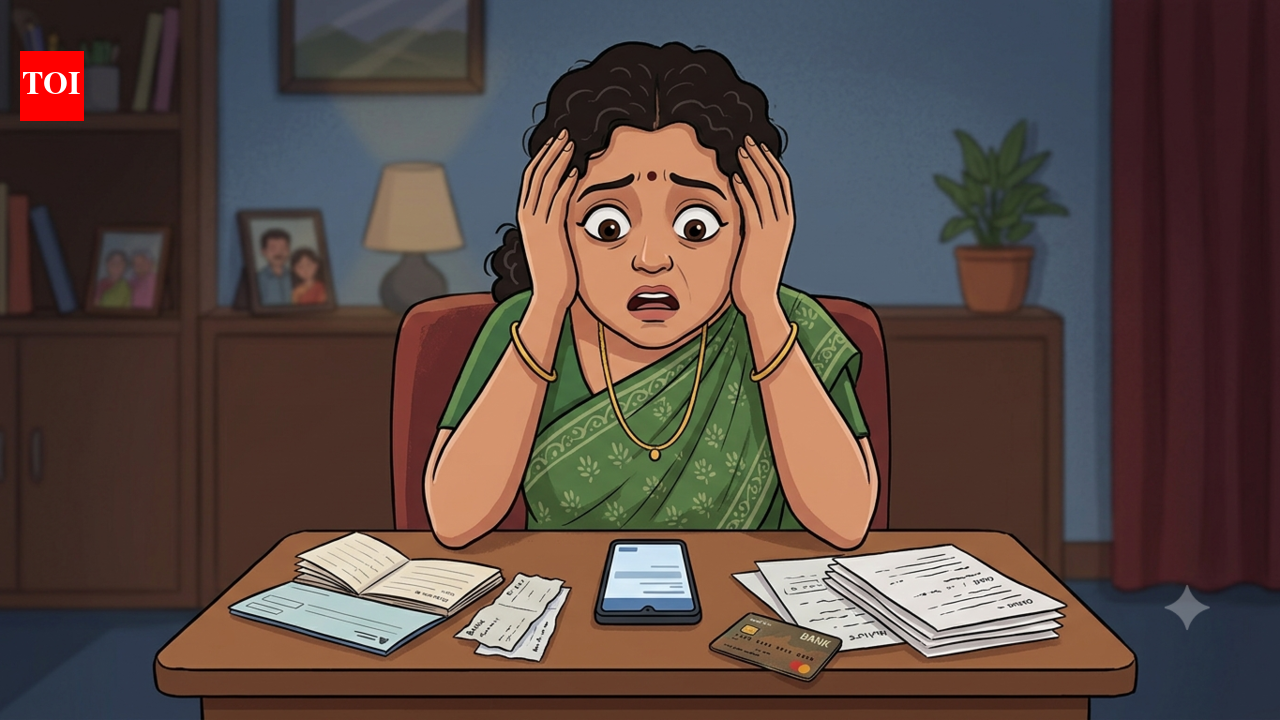
The story then shifted to a parcel. The fraudsters told her it held valuable items, including pound sterling, and that customs officials had held it at an Indian airport. They first asked for Rs 16,000 for delivery and customs clearance. More demands followed under different excuses, each with the promise that the parcel would be delivered once the fees were paid. She was also threatened with trouble if she stopped paying.
According to the complaint, the gang used eight WhatsApp numbers with Pakistani, Philippine and Indian country codes. Swathi sent Rs 6.6 lakh from one bank account and Rs 45,000 from another. She also moved Rs 50,000 and Rs 20,000 from two of her son's accounts. Two friends sent Rs 8,000 each through their UPI apps. By Nov 11, the total sent to the bank accounts and UPI IDs the fraudsters supplied was just shy of Rs 8 lakh. She told police they had also asked her to pay by cheque.
Once she realised she had been cheated, she went to the East cybercrime police. The case is registered under the Information Technology Act and Section 318 (cheating) of the Bharatiya Nyaya Sanhita.
The case follows a familiar pattern. A stranger builds trust over chat, a gift or windfall is promised, and then a 'customs' or 'clearance' fee appears. Each payment makes the next demand look reasonable, and the victim feels she has already paid too much to stop. Here, it also pulled in family and friends who were asked to send money. Customs charges on a genuine parcel are not collected through a stranger's personal bank account or UPI ID, and a request to pay that way is a clear warning sign.
Anyone who has paid money in a scam like this should contact their bank and the police promptly. Source report: Times of India.