In 30 Seconds
- Washington has put the Nvidia customer on its trade blacklist, cutting it off from US technology as scrutiny grows around its former controlling shareholder.
- In practice, a spot on the Commerce Department's Entity List means American companies cannot supply goods, software or technology to Megaspeed without a licence.
- Megaspeed has long been a major buyer of Nvidia chips, according to people familiar with the matter.
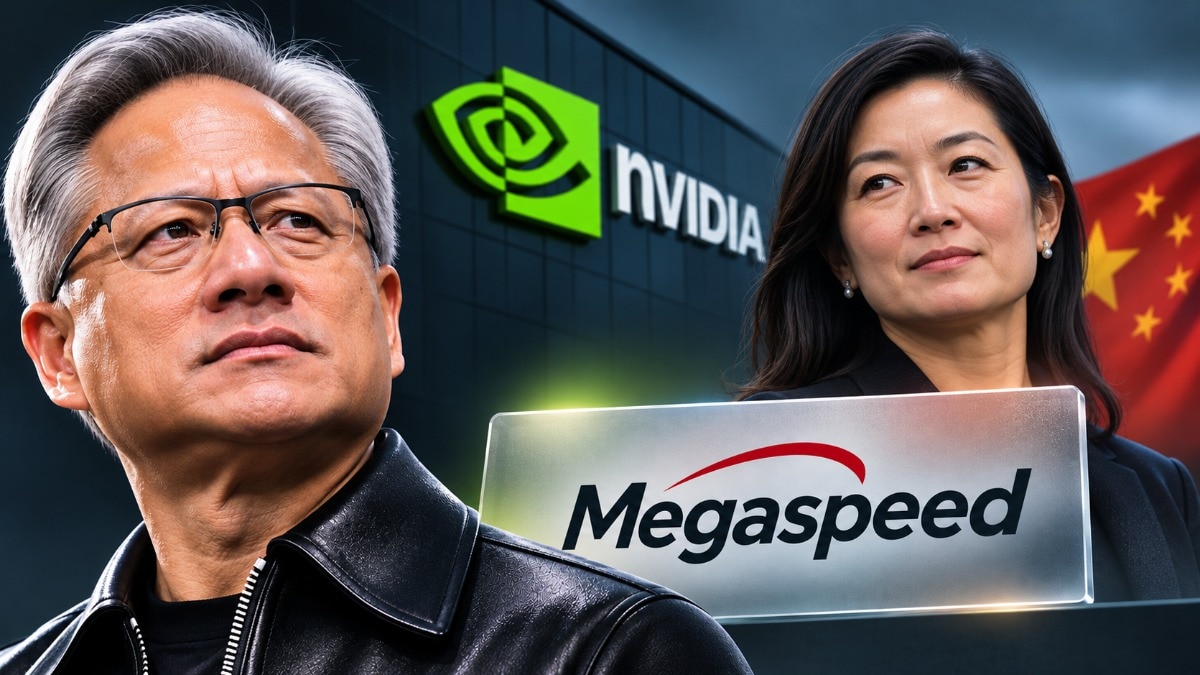
The United States on Monday added Singapore-based chip firm Megaspeed to its trade blacklist, as investigations into export-control violations and alleged espionage continue to swirl around the company and its former controlling shareholder, Alice Huang.
In practice, a spot on the Commerce Department's Entity List means American companies cannot supply goods, software or technology to Megaspeed without a licence. Those licences are likely to be denied, which makes it hard for the firm to get US-origin spare parts, software updates or intellectual property licences.
Megaspeed has long been a major buyer of Nvidia chips, according to people familiar with the matter. US Justice and Commerce officials said this week the company has been under investigation since 2024 over possible shipments of Nvidia AI chips to China, which US export controls restrict. The firm says Alice Huang left in August 2025 and that it ran "lawful business". Nvidia still lists it as an official cloud partner in its directory.
The case has a personal angle too. The New York Times reported last month that US authorities concluded Alice Huang was a Chinese intelligence asset who passed information to Beijing while building a close relationship with Nvidia CEO Jensen Huang. Reuters could not independently verify that claim, and China has called the accusations "groundless". Jensen Huang admitted to an extramarital affair in a November 8 statement without naming the woman.
The timing is striking. Jensen Huang was reinstated as Nvidia CEO on Monday, reportedly two weeks after stepping down over revelations about his personal life.
The listing is also notable for what it signals about policy. It is the first batch of additions to the blacklist since October 2025. Reuters reported in June that the Trump administration had held off adding DeepSeek, memory chipmaker CXMT and more than 100 other companies flagged as security risks, to avoid inflaming tensions with Beijing.
For the AI industry, the message is that chip supply chains are under tighter watch, even for well-connected customers of the biggest names. Read the original report at India Today.