In 30 Seconds
- The Vijay government's move to end a DMK-era advisory body has triggered a federalism row, but the panel's legal footing is thinner than the protests suggest.
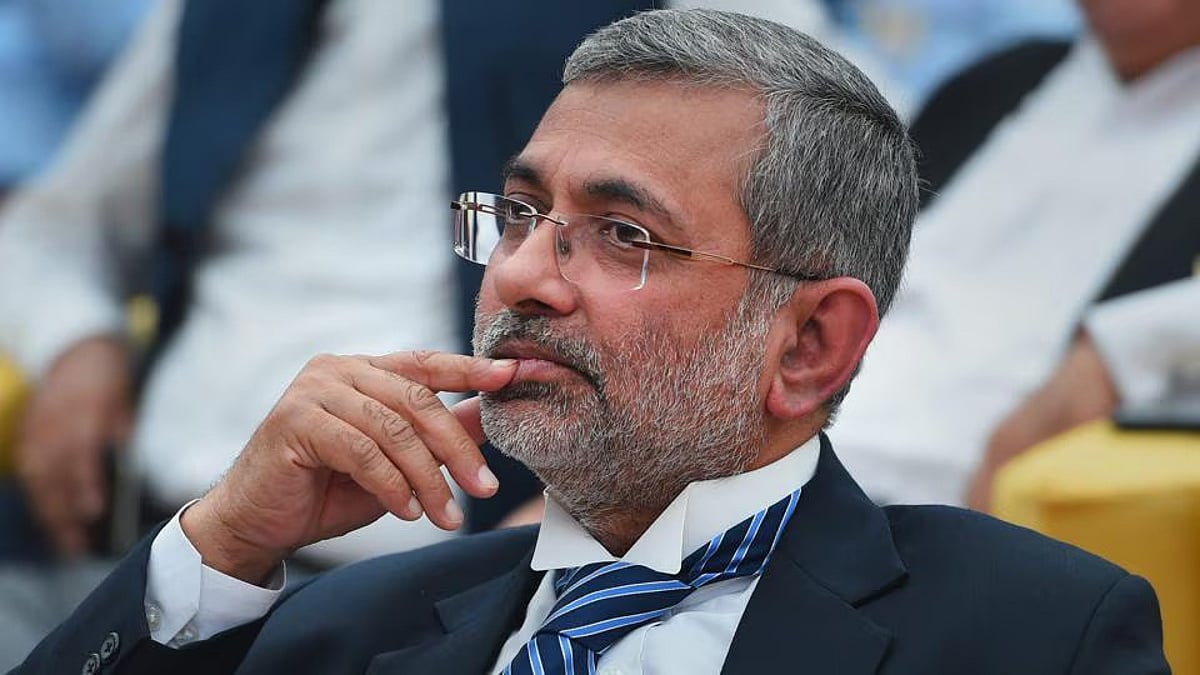
- Tamil Nadu's TVK government, led by Chief Minister C Joseph Vijay, on November 6 discontinued the High-Level Committee on Union-State Relations headed by former Supreme Court judge Kurian Joseph.
- The central point in the dispute is how the committee came into being.
Tamil Nadu's TVK government, led by Chief Minister C Joseph Vijay, on November 6 discontinued the High-Level Committee on Union-State Relations headed by former Supreme Court judge Kurian Joseph. The state has passed the panel's unfinished work to the State Law Commission. The DMK, which set up the committee months before the Assembly election, has called the decision a surrender of Tamil Nadu's rights.
The central point in the dispute is how the committee came into being. As an opinion piece in The New Indian Express points out, it was not created by the Constitution or by an Act of the Assembly. The previous DMK government set it up through an executive order as an advisory body. A body created by government order can, in the same way, be wound up by a later government order, and no statute or court ruling requires a new administration to keep it.
The column also places the decision among other changes of guard. In February 2022, nine months after taking office, the DMK government revoked appointments made by the AIADMK to the state Child Rights Commission. In Kerala, the new Congress-led UDF government dissolved the Loka Kerala Sabha, a forum for expatriate Keralites created by the LDF. Nobody concluded from those cases that a government had abandoned child rights or non-resident Keralites, the column argues, and the same logic should apply here.
The piece raises several political objections to the panel. One member, whose family is active in DMK politics, resigned after the election verdict, which the author reads as an admission that such a body must be seen as non-partisan. Another member was long associated with the previous Chief Minister. The author says this does not question their scholarship but makes the new government's wariness understandable. Part I of the report was tabled in February, weeks before polling, and the DMK campaigned on it.
The column also cites the strained relations between the TVK and the DMK. It notes that the DMK leadership reportedly explored a tie-up with the AIADMK to keep the TVK out of power, and argues that a party willing to consider that cannot expect its successor to treat its hand-picked panel as a neutral arbiter. The DMK and its supporters read the matter differently. For them, a few dozen retired bureaucrats have signed a petition against the closure, and the party presents the decision as an attack on the state's case for greater autonomy.
The larger question is what happens to the substance of the work. Part I of the Kurian Joseph report covers governors, delimitation, GST, education and language, which are the issues behind most Centre-state friction in Tamil Nadu. The column's closing argument is that federalism is a constitutional principle and a committee is only a tool. The vocabulary of federalism, it says, belongs to every state and not to a single party. Whether the Law Commission can carry that work forward credibly is the test the new government now faces.
Read the original opinion piece: A committee ain't the cause, The New Indian Express.