In 30 Seconds
- With pressures on the rupee easing, a senior policy commentator argues India should talk about its currency and foreign exchange rules on ordinary days, not only in a crisis.
- The rupee is finding firmer footing.
- The turbulence before this relief was driven largely by forces outside India's control.
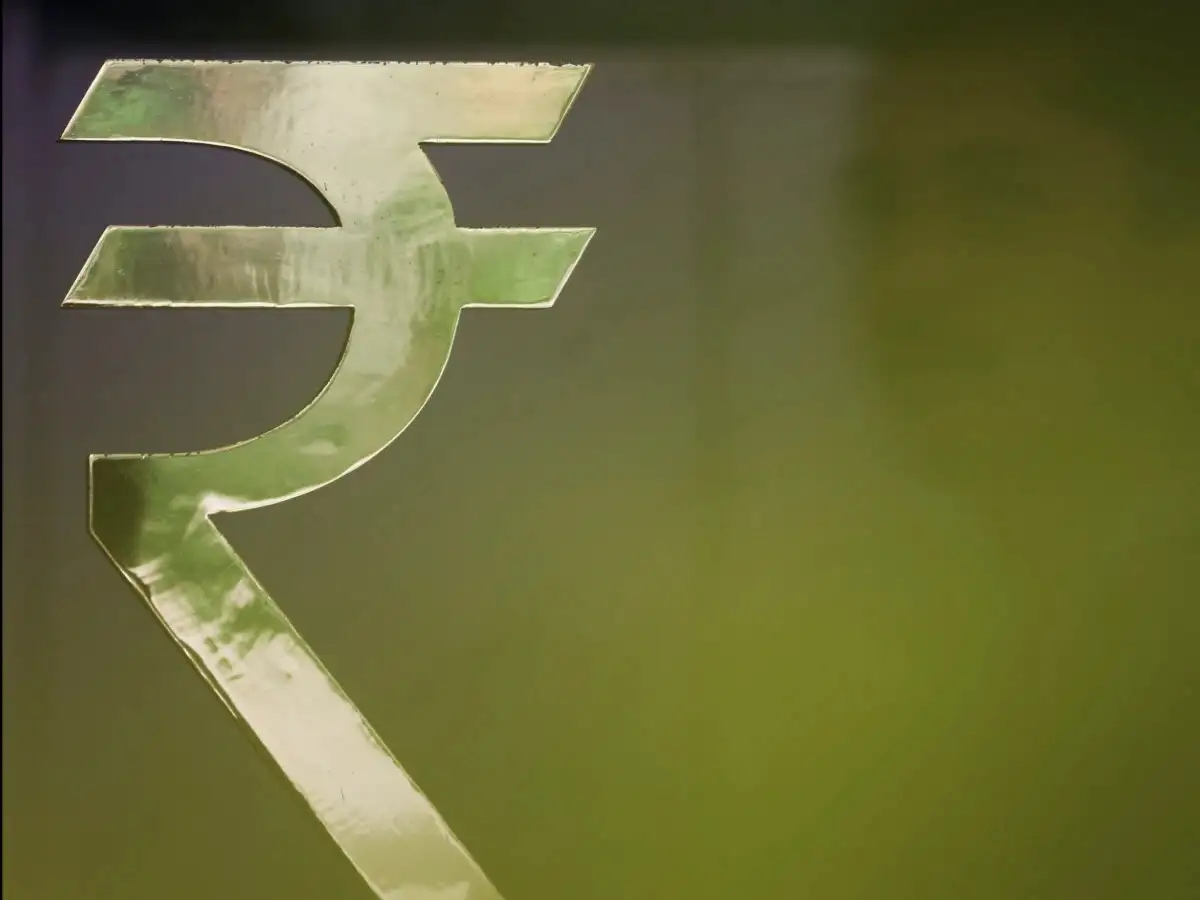
The rupee is finding firmer footing. A commentary published in the Economic Times by Ajay Shah's peer and current Asia Group India practice chair argues that the currency's recent swings should be understood as part of an economy's normal rhythm, not as a reason for alarm. The easing of several pressures, including a lower likelihood of a prolonged conflict in the Persian Gulf, softer energy prices, and a cooling of the AI-driven investment boom, has helped the dollar become cheaper against the rupee.
The turbulence before this relief was driven largely by forces outside India's control. Although the country's macroeconomic fundamentals remained sturdy, a combination of shocks pulled money away. Global portfolio managers, drawn to American technology giants and, as interest rates climbed, to US government bonds, saw India as a distant bet. Foreign portfolio inflows slowed. The US military action against Iran pushed up oil prices, and because India imports much of its crude, the country needed more rupees to buy the same amount of dollars. Foreign direct investment flowed in both directions, and a stream of large listings by multinational companies also led to Indian investor money being sent back to parent firms overseas.
The rupee's slide toward the symbolic 100-to-the-dollar mark carried real consequences beyond headlines. Electronics manufacturers and exporters rely heavily on imported components, which are paid for in dollars and leave thin margins after local value addition. Households are also feeling the strain. A family that took an education loan when the dollar traded near 89 rupees in December 2025 faces a noticeably larger repayment burden a year later. For the government, a weaker currency creates a political perception problem, even if the milestone itself has limited economic meaning over the long run.
The commentary's central argument is that India has a habit of discussing its currency only when it is under stress. Conversations about the rupee and the need to manage excessive foreign exchange spending fade when the pressure eases, then return with urgency during the next run on the currency. The author contends that this cycle is counterproductive and that the current calm is the right moment to have a measured public discussion about how the system should work.
That discussion includes the Liberalised Remittance Scheme, which allows resident Indians to send money abroad for purposes ranging from travel to investment. The annual limit has been raised repeatedly over two decades, from $25,000 when it was introduced in 2004 to $250,000 today. The commentary notes that the sharpest increases, in 2006-07 and 2014-15, were sudden rather than gradual. Measured against per-capita income, the limit has risen from roughly 40 times to about 90 times, with the ratio peaking at around 200 times after the 2007 expansion and 150 times after the 2015 move. The author suggests that a more calibrated approach would have served policymakers better, and that such lessons deserve attention now rather than during the next currency scare.
For readers tracking the markets, the takeaway is that a stronger rupee offers breathing room but not a guarantee. The underlying questions about capital flows, import dependence and household exposure to exchange rates remain. Treating them as ordinary policy questions, rather than emergency reflexes, may be the more durable path. The full commentary is available at the Economic Times opinion page.