In 30 Seconds
- A first-person account from a remote Nagaland district frames India's targeted welfare push as the reason tens of millions have climbed out of poverty.
- The author ties that visit to a World Bank Poverty and Equity Brief on India, which the article says found that nearly 50 crore people moved out of poverty between 2011 and 2023 and that extreme poverty has been almost eradicated.
- The article contrasts the present with the decades after Independence, when mass poverty remained, in its telling, an unmet promise.
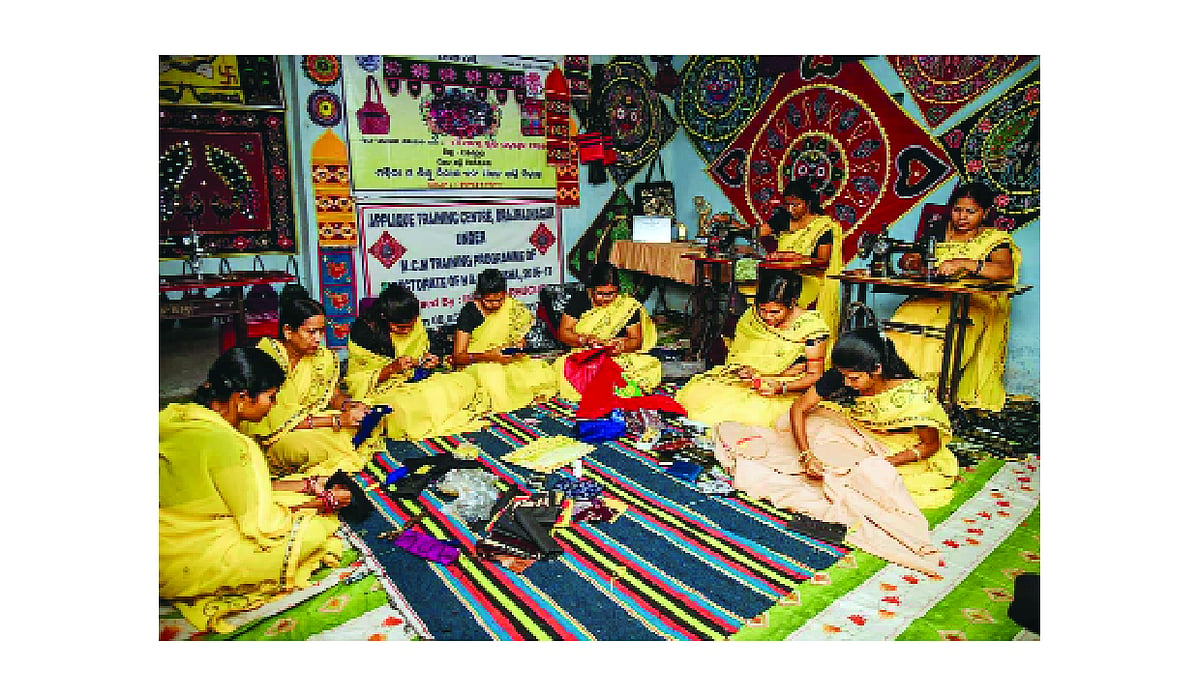
More than 3.7 crore women have become Lakhpati Didis, a term for women whose households earn at least one lakh rupees a year, according to an opinion article that draws on a visit to Kiphire, an aspirational district in the hills of Nagaland. The author describes meeting tribal women from local self-help groups, among them a woman named Esther who sells millet-based products to buyers well beyond the state. The piece argues that the story of these women reflects a wider change in how India approaches poverty.
The author ties that visit to a World Bank Poverty and Equity Brief on India, which the article says found that nearly 50 crore people moved out of poverty between 2011 and 2023 and that extreme poverty has been almost eradicated. Those figures, the author suggests, put numbers to what was seen on the ground in Kiphire.
The article contrasts the present with the decades after Independence, when mass poverty remained, in its telling, an unmet promise. It says the earlier approach leaned mainly on handing money to the poor. The author contends that the last decade shifted the focus to removing the structural gaps that keep households poor, such as housing, sanitation, clean water, clean cooking fuel and healthcare, and credits the Prime Minister's leadership and the Antyodaya principle of reaching the last person in line.
On delivery, the piece says a household without a secure roof, safe water or sanitation stays vulnerable even when its income rises, and that a single illness can erase savings. It cites Swachh Bharat toilet access as helping avert an estimated 60,000 to 70,000 infant deaths a year, and notes that Jal Jeevan Mission rural tap-water connections rose from about 3 crore households in 2019 to nearly 16 crore. Ujjwala, PM Awas Yojana and Ayushman Bharat are described as safeguards against the shocks that once pushed families back into poverty.
The article is an opinion piece written from a government perspective, so its conclusions reflect the author's view rather than an independent assessment. Its central challenge, which it names directly, is sustaining these gains and making sure no household is left behind on the road to Viksit Bharat by 2047. Readers who want to test the claims can compare them against the underlying World Bank brief and the official scheme data.