In 30 Seconds
- Two community-led groups in Jharkhand are betting that classrooms, clinics and livelihood training can do what force alone cannot: build trust in areas long vulnerable to extremism.
- In Jharkhand's tribal belt, two community-led organisations, Ekal Vidyalaya and Vikas Bharati of Bishunpur, are working on the idea that lasting peace starts with schools, health care and steady incomes.
- The movement began at Naxalbari in West Bengal in 1967 and later spread to Jharkhand, Bihar, Chhattisgarh and Odisha.
In Jharkhand's tribal belt, two community-led organisations, Ekal Vidyalaya and Vikas Bharati of Bishunpur, are working on the idea that lasting peace starts with schools, health care and steady incomes. An analysis published by The Pioneer argues that this kind of grassroots work addresses the conditions Naxalism has fed on for decades.
The movement began at Naxalbari in West Bengal in 1967 and later spread to Jharkhand, Bihar, Chhattisgarh and Odisha. According to the analysis, extremist groups found room to grow in hilly, forested and tribal areas where poverty, illiteracy, unemployment, weak health services and distance from the administration left people frustrated. Disputes over land, forests and water added to that discontent.
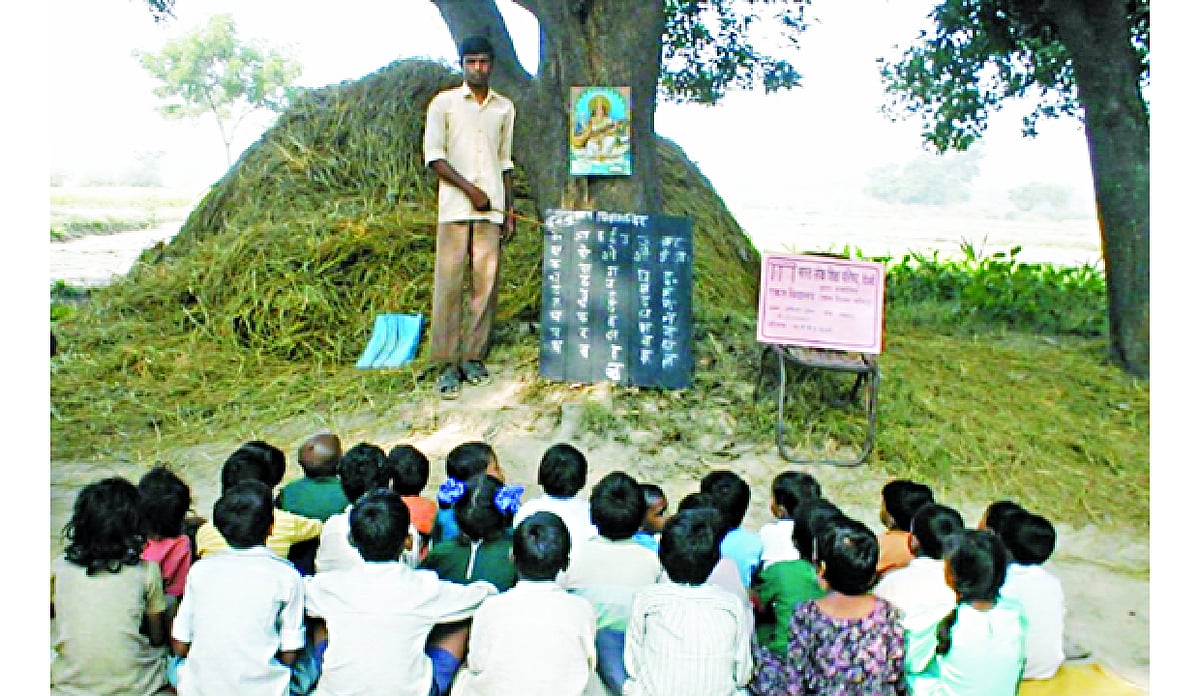
Ekal Vidyalaya tackles the schooling gap in remote villages where there may be no school, too few teachers or families short of money. Local teachers, known as Acharyas, run the classes. The model is built around what it calls Panchmukhi Shiksha, or five-fold education: academic learning, health, development, empowerment and values. The aim is to build discipline, confidence and social responsibility alongside literacy.
The analysis also points out that lessons draw on local languages, art forms and tribal traditions. That, it says, makes the school a place that earns trust as well as teaching children, and helps young people learn about their rights.
Vikas Bharati started as a people's development movement in 1982 and became a registered organisation in 1983. Padma Shri awardee Ashok Bhagat is among its key founders. Based in Bishunpur in Gumla district, it works across education, health care, agriculture, natural resource management, women's empowerment and skills training. For children, it has set up formal schools, boarding ashram schools and education for children from Particularly Vulnerable Tribal Groups (PVTGs). Its self-help groups aim to bring tribal women into decision-making and earning.
The takeaway is hopeful: where people see schools, clinics and jobs arriving locally, the pull of extremism can weaken. The piece is an analysis rather than a study with outcome data, so it does not measure how far these programmes have cut violence, but it makes a clear case that security efforts work best alongside development.
Read the original analysis at The Pioneer.