In 30 Seconds
- At the fifth Energy Summit 2026 in Chennai, speakers argued that India's clean-power push will stall unless it can store electricity and make its own batteries.
- Chennai is hosting a week of discussion on a problem that most people only notice when their phone dies: how to store energy.
- Rajya Sabha MP Praveen Chakravarthy used the platform to make a sharp case.
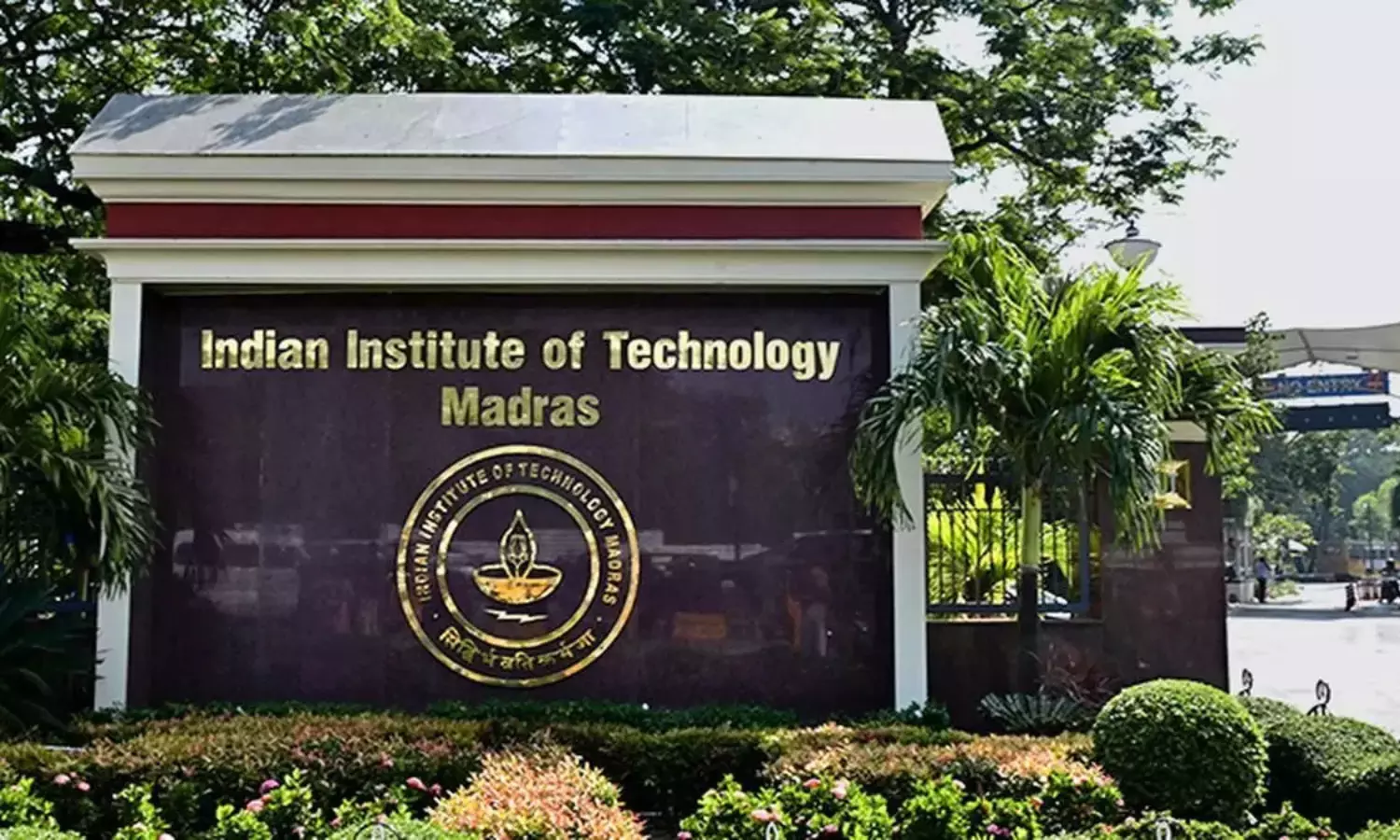
Chennai is hosting a week of discussion on a problem that most people only notice when their phone dies: how to store energy. The fifth Energy Summit 2026, organised by IIT Madras from November 17 to 21, is focused on developing storage technologies and cutting India's reliance on imported lithium-ion batteries.
Rajya Sabha MP Praveen Chakravarthy used the platform to make a sharp case. Tamil Nadu, he said, has the wind and solar capacity to become an energy hub for South Asia. The missing piece is storage, the technology that holds power generated on a sunny or windy day for use later.
The numbers he cited were striking. India imported lithium-ion batteries worth about USD 5 billion last year, and roughly 80 per cent of those came from China. Chakravarthy warned that swapping one foreign dependency for another would miss the point. India has spent decades relying on imported oil, and he argued that imported batteries could become the next version of the same vulnerability.
He also floated a bigger idea: sending surplus renewable power to neighbouring South Asian countries through undersea cables laid along Tamil Nadu's coastline. Such a link would turn the state's wind and solar farms into an export business, though it would depend on the storage and transmission systems still being built.
IIT Madras Director V. Kamakoti framed the issue as a research priority. Generating, storing and distributing clean energy all need serious investment in R&D, he said, and energy is now a concern that cuts across artificial intelligence, agriculture and advanced manufacturing.
The summit runs as a five-day gathering of industry, academia and government, organised by The Energy Consortium at IIT Madras. Sessions on November 18 covered advanced batteries, hydrogen systems, and how artificial intelligence and digital tools can run power grids more efficiently. For consumers, the takeaway is simple: cheaper, locally made batteries would affect everything from the price of electric vehicles to whether rooftop solar keeps the lights on after sunset.
Read the original report at Deccan Chronicle.