In 30 Seconds
- The Melbourne-born MasterChef Australia finalist spent a mango-shaded Monday afternoon in Bhawanipur talking about migrant kitchens, food snobbery and why Bengali cooking deserves the global stage.
- Chef Kishwar Chowdhury, the Melbourne-born finalist from MasterChef Australia, brought her debut cookbook, Smoke Rice Water , to Kolkata this week.
- Chowdhury won over viewers in 2021 when she served panta bhat, the humble fermented-rice breakfast, in the MasterChef Australia finale.
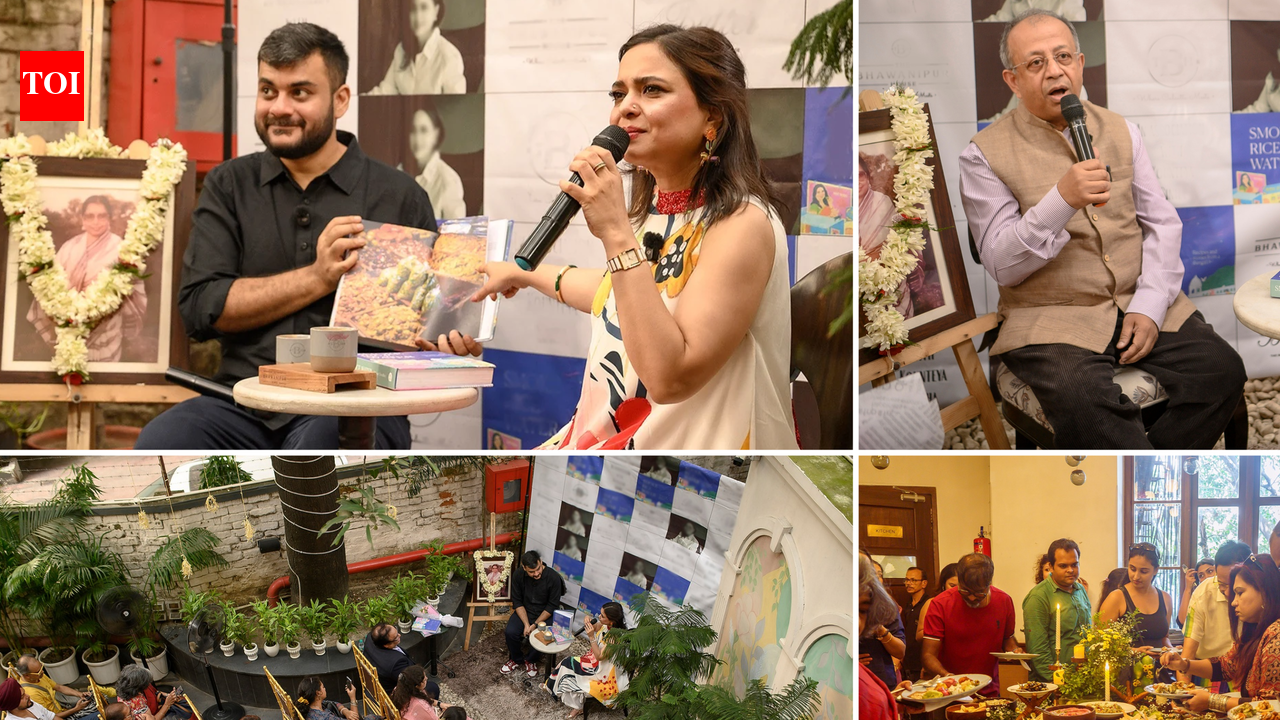
Chef Kishwar Chowdhury, the Melbourne-born finalist from MasterChef Australia, brought her debut cookbook, Smoke Rice Water, to Kolkata this week. She joined a relaxed adda at The Bhawanipur House, held under the mango trees on a cool Monday afternoon. Her message to the room: "Don't build higher walls, build longer tables."
Chowdhury won over viewers in 2021 when she served panta bhat, the humble fermented-rice breakfast, in the MasterChef Australia finale. She finished as second runner-up. Her roots run through both Bengals: her mother is from Kolkata and her father from Bangladesh. The event was hosted by curator and photographer Kounteya Sinha. Food historian Jayanta Sengupta opened it, and Chef Auroni Mookerjee steered the conversation.
Growing up as a probashi Bengali, she said, meant food never left the conversation. In her home, when the family wasn't eating, they were talking about khawa-dawa, cooking and marketing. They were planning the next meal while still on the first. Her earliest kitchen memory is peeling onions at three or four. She also recalls Pujo in Melbourne, where aunties, not caterers, did the cooking.
Migrant life shaped what ended up on the plate. Flour was easy to find in Australia, she said, but atta was not. Her family started gardening to fill the gaps. Eventually they had enough land to farm and rear animals. She described her childhood home as "a recollection of two homesick Bengalis."
The sharper part of the conversation was about prejudice. Chowdhury argued that a hierarchy places Eurocentric cuisine at the top, and that Bengalis play along with it. "We are very, very racist towards our own food," she said. She pointed to the nargisi kofta in her book as a forerunner of the Scotch egg. She also said diners often balk at paying restaurant prices for humble dishes such as shaak. Sengupta backed her up: Bengali food, he said, is no footnote in Indian culinary history and stands proudly beside the world's great cuisines.
After the event, she named Sami Tamimi and Yotam Ottolenghi as influences. Their books take readers to Jerusalem and Palestine, and she loves cooking as a way to travel from the armchair. She wants her own pages to do that for Bengal. They take readers into markets, past cooking hands and to the kacchi biryani makers of Bangladesh. Photography carries the intimacy, she said, but storytelling is "a massive part of it."
Her bigger point is about unity. A good kitchen brigade works like a joint family, Mookerjee said, where one person perfects the phulko luchi and another the chatni. Chowdhury wants Bengali voices to show up on the global stage in that same spirit. Read the original report here.