In 30 Seconds
- Haryana's agriculture department combined a fine, an FIR and a portal flag against a Kalinga village farmer, signalling how it intends to enforce residue rules this season.
- Haryana's agriculture and farmers' welfare department has fined a farmer in Kalinga village of Bhiwani district Rs 10,000 and had a police case registered against him after paddy stubble was found burnt on about three acres.
- Officials said they received information about the burning on November 14.
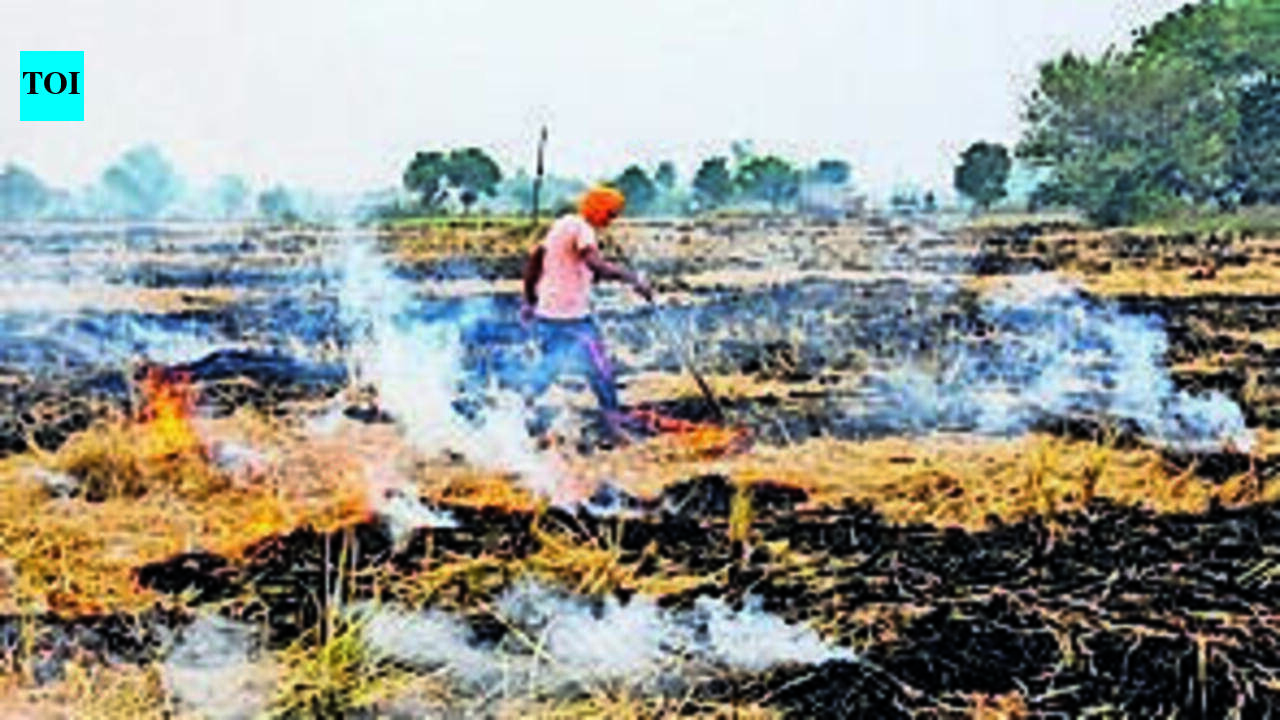
Haryana's agriculture and farmers' welfare department has fined a farmer in Kalinga village of Bhiwani district Rs 10,000 and had a police case registered against him after paddy stubble was found burnt on about three acres. The farmer has been identified as Sanjay Singh.
Officials said they received information about the burning on November 14. A joint team of agriculture officials, a patwari, a village secretary and police personnel visited the site and found burnt paddy residue spread across nearly three acres. Action followed under the prescribed rules.
The response had three parts: a monetary penalty, an FIR, and a red entry against the farmer's land on the state's Meri Fasal-Mera Byora portal. The portal is the government's crop registration platform, so a red entry on a land record can carry consequences beyond the fine itself.
Deputy director (agriculture) Rajesh Sihag said the department has been working to dissuade farmers from burning residue. Teams are visiting villages to explain modern stubble management methods and the environmental harm that burning causes. He added that no stubble-burning case had been reported in the district this season until the Kalinga incident came to light, and that strict action would continue against violators.
The department also pointed to the supply side of the problem. Assistant agricultural engineer Naseeb Singh Dhankhar said modern machinery is being made available to farmers for managing crop residue. Such equipment is central to the official strategy, since the short window between paddy harvest and wheat sowing is the reason many farmers cite for burning.
The case matters less for its scale than for its signal. A single first reported violation drew a layered penalty within days, suggesting authorities want early enforcement to deter others as harvesting continues. Whether awareness drives and machinery access prove sufficient will be tested over the weeks ahead.