In 30 Seconds
- The Telangana writer's collections on family, social ills and the environment were released in New Delhi and shown at the TANA convention in New York in 2019.
- Chigurumalla Srinivas, a Telugu poet from the Bhadrachalam agency region of Telangana, has composed 101 Satakams (traditional collections of verses), each with 101 poems, for a total of 10,201 verses.
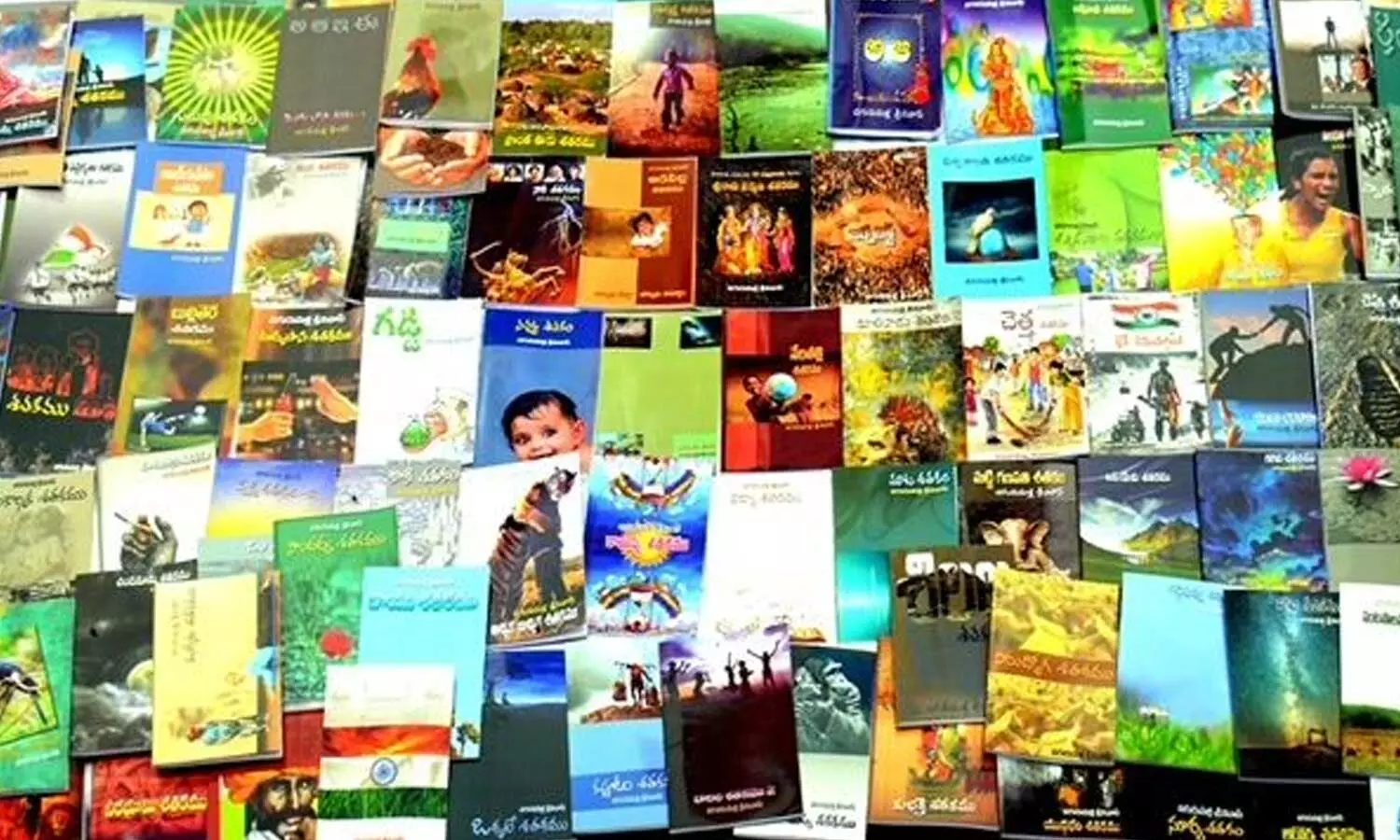
- He published all 101 collections, printing 1,000 copies of each, which comes to roughly one lakh books.
Chigurumalla Srinivas, a Telugu poet from the Bhadrachalam agency region of Telangana, has composed 101 Satakams (traditional collections of verses), each with 101 poems, for a total of 10,201 verses. According to the account of his work, the writing took nearly five years and was aimed at promoting human values among younger readers.
He published all 101 collections, printing 1,000 copies of each, which comes to roughly one lakh books. The set was unveiled together in New Delhi on June 27, 2019, by M. Venkaiah Naidu, then Vice-President of India. On July 6, 2019, the collections were presented at the convention of the Telugu Association of North America (TANA) in New York, where an estimated 15,000 people were present.
The Satakam is a long-established Telugu form in which a poet writes a hundred-odd verses on a single theme. Srinivas has used it for contemporary concerns. Amma Satakam, Nanna Satakam and Guruvu Satakam address the roles of mother, father and teacher. Yuva Shakti Satakam and Chaduvu Satakam deal with youth and education, and Melukolupu Satakam is meant to stir social awareness.
Several collections take up public-policy and public-health concerns. Madya Pana Satakam, Dhooma Pana Satakam and Nirudyoga Satakam address alcoholism, smoking and unemployment. Srinivas has said he favours plain language and memorable verse, on the view that a poem should convey its message without elaborate interpretation.
The environment is a second major theme. Agni Satakam, Jala Satakam, Vayu Satakam, Gagana Satakam and Nelatalli Satakam deal with fire, water, air, sky and earth, while other volumes cover the sun, moon, sea and lakes. Their stated premise is that future generations should inherit clean air, fresh water and healthy forests, and that environmental responsibility is best instilled in childhood.
The project matters less for its numerical scale than for its attempt to use a classical regional form to reach schoolchildren, families and Telugu-speaking communities abroad. It shows how vernacular literature from a remote tribal district can reach national and international audiences. Whether the books are adopted in schools or community programmes is not stated in the available account.